WHISKY
Edrington's Narrow Bet: Ultra-Premium or Nothing
Wyoming sold, Famous Grouse gone, profits down 28 percent. The Macallan's owner is concentrating on fewer, more expensive bottles.
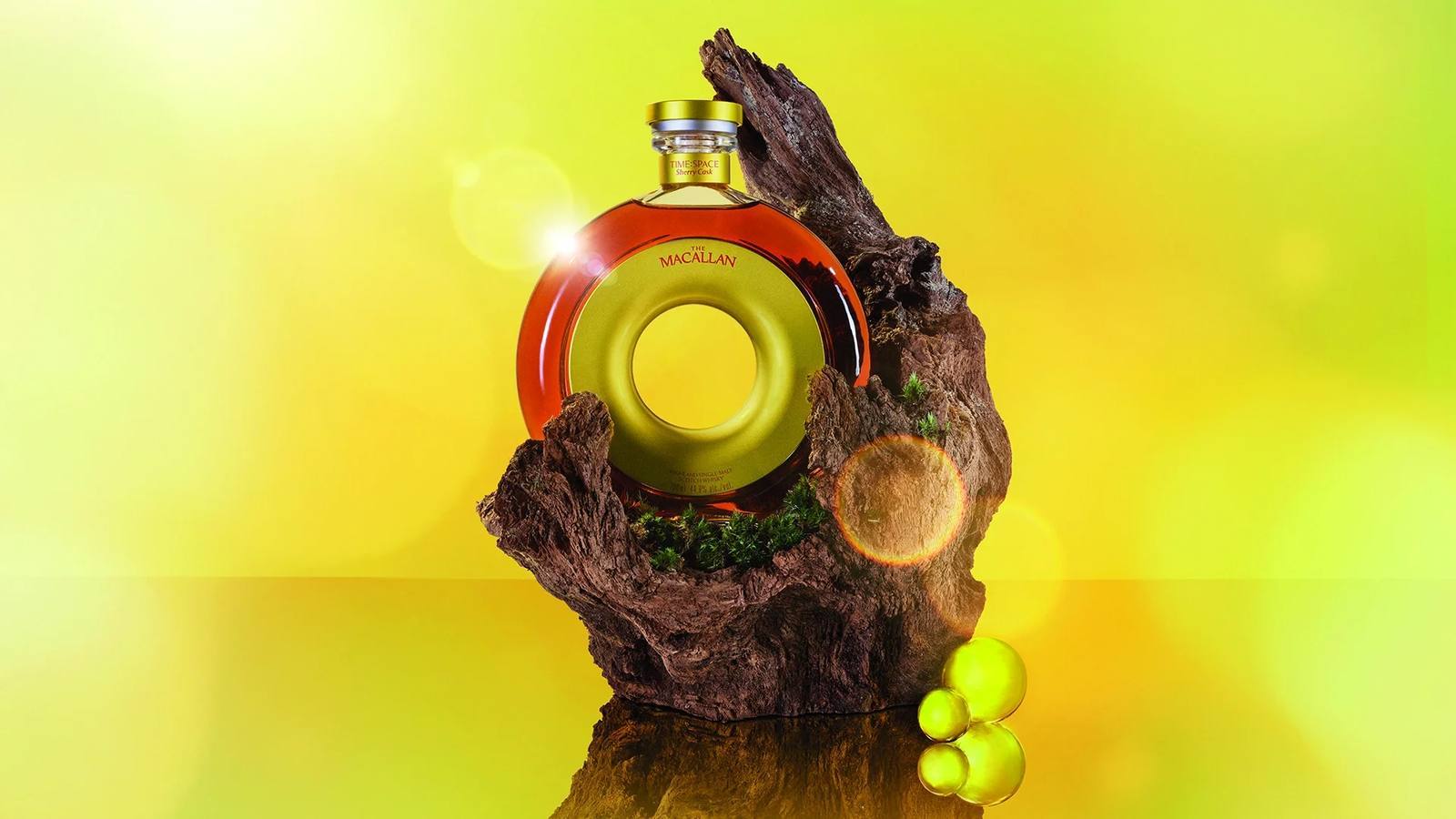
Edrington, the Glasgow-based owner of The Macallan, is shrinking on purpose. In June 2026 the company sold its 80 percent stake in Wyoming Whiskey to WW Partners, a group led by the brand's co-founder David DeFazio, completing its exit from American whiskey. The sale followed the 2024 agreement to divest The Famous Grouse and Naked Malt, which completed in 2025. The strategy, as the company describes it, is focus: ultra-premium spirits, with The Macallan at the center.
The Numbers Behind the Focus
The results for the year ended 31 March 2025 show why focus is needed. Edrington reported core revenue down 10 percent to £912 million and core contribution down 28 percent to £291.4 million, a fall the company attributed to lower whisky sales volumes. The Drinks Business, reporting the figures in July 2025, noted the company had warned of a more challenging year ahead. The Wyoming sale, a year later, looks less like opportunism and more like triage.
The divestments are consistent with a portfolio built around price rather than volume. The Famous Grouse is a volume blend, one of the best-selling whiskies in Scotland, and its sale removes a large, lower-margin business from the books. Wyoming Whiskey was a craft American brand in a segment that Edrington no longer wants to operate. What remains is the ultra-premium core: The Macallan, Highland Park, The Glenrothes, and the company's smaller luxury holdings. The bet is that fewer bottles at higher prices will outperform more bottles at lower ones.
The Macallan at the Center
The center of the strategy is not in doubt. The Macallan's sherry-cask supply chain investments, the 2024 joint venture with Tevasa Forestal Group, the 2023 acquisition of a 50 percent stake in Grupo Estévez, the Vasyma cooperage purchase, the Coopers Oak sawmill joint venture, are the spending of a company that believes its flagship brand is the business. Everything else in the portfolio is being arranged around it.
This is a defensible strategy in a soft market. Premium Scotch has historically been more resilient than volume blends when demand cools, and the company's ownership structure, it is controlled by The Robertson Trust, a charitable trust, gives it a longer horizon than a listed competitor. It can afford to take the pain of a down year and invest through it. The question is whether the ultra-premium segment is as insulated as the strategy assumes.
The margin arithmetic is the quiet argument for the strategy, stated as a reading rather than a proof. A 28 percent fall in contribution on a 10 percent revenue decline is consistent with the volume lost being disproportionately low-margin, the blends and the American whiskey diluting the returns of the luxury core, though fixed-cost deleverage can produce the same pattern. On that reading, shedding them does not just simplify the story; it should improve the margin profile of what remains, which is exactly what a trust-owned company with a long horizon can afford to wait for.
Revenue down 10 percent, contribution down 28 percent. The answer Edrington chose: fewer bottles, higher prices, The Macallan at the center.
The Risk of Concentration
There is a risk in concentration that diversification used to hedge. A portfolio that depends on The Macallan depends on the health of the luxury whisky market, the appetite of collectors and gift buyers, and the continued willingness of consumers to pay four figures for aged single malt. The 2025 results showed that even the premium end is not immune: the company attributed its declines to lower whisky sales volumes, not just mix effects.
The Wyoming sale also says something about the craft American whiskey segment, which Edrington entered with high hopes and has now left entirely. The buyer, WW Partners, is led by the brand's own co-founder, which is the kindest possible exit: the brand returns to the people who built it. But it is still an exit, and it follows the same logic as the Grouse sale. Edrington is no longer in the business of brands that need building. It is in the business of brands that are already built, and it is betting the company on them.
From the same shelf