WHISKY
How to Read a Scotch Label
Every word on the front is regulated. The youngest age, the protected region, the banned phrase. A field guide to what the law guarantees and what it does not.
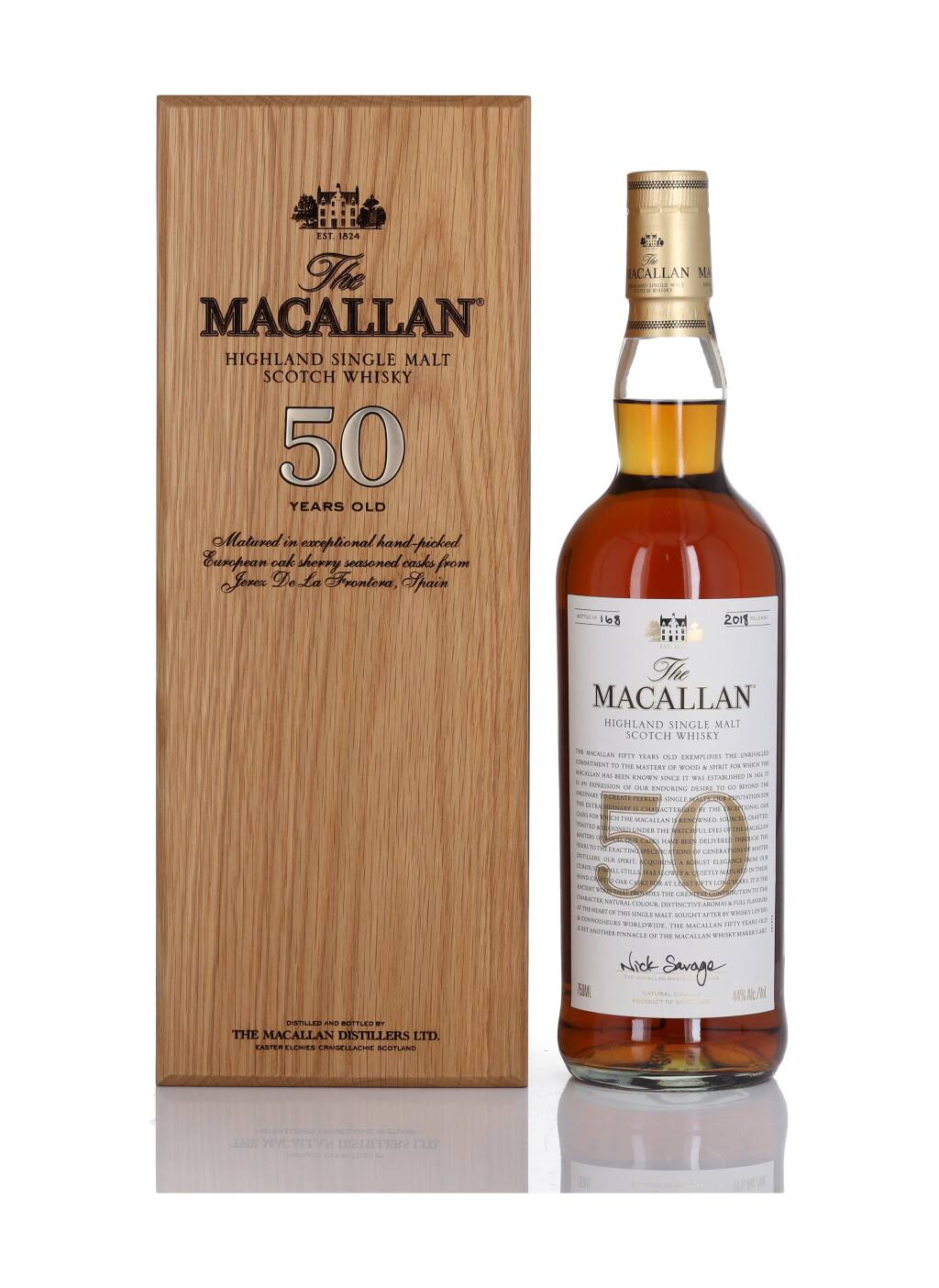
The front of a Scotch whisky bottle is one of the most regulated surfaces in the drinks world. The Scotch Whisky Regulations 2009 dictate what must appear, what may appear, and what is banned outright. Learn the rules and the label stops being marketing and starts being a document. Here is how to read it.
The Law in the Bottle
Start with the basics, which the law defines before the label even matters. To be Scotch whisky, a spirit must be distilled in Scotland from water and malted barley, to which only whole grains of other cereals may be added. It must be distilled below 94.8 percent ABV, matured only in oak casks of no more than 700 litres, matured only in Scotland, matured for at least three years, and bottled at a minimum of 40 percent ABV. Only two additions are permitted: water, and plain caramel colouring. That is the entire legal universe of Scotch. Everything on the label is a claim inside it.
The first compulsory item is the category, which must appear on the front of the container, in the sales description, with equal prominence given to each word. There are five: Single Malt Scotch Whisky, Single Grain Scotch Whisky, Blended Malt Scotch Whisky, Blended Grain Scotch Whisky, and Blended Scotch Whisky. A single malt is distilled at a single distillery, from malted barley only, in pot stills. A blended Scotch is a blend of single malt and single grain. If the category is not on the front, the bottle is not compliant, and the name of a Scottish locality or region may be appended to the category only if the whisky was actually distilled there.
The Age Is the Youngest
The single most useful rule on any label is the age rule. Any reference to maturation period or age must refer to the youngest alcoholic component in the drink, and it must be expressed in years. A 12-year-old blend may contain 30-year-old whisky. It may not contain anything younger than 12. The number is a floor, not an average, and the floor is set by the youngest drop.
Vintage and distillation-year references are more tightly controlled than most drinkers realize. A label may refer to the year of distillation only if the reference is to a single calendar year, all of the whisky was distilled in that year, and the label also shows the year of bottling, the maturation period, or the age, in the same field of vision. A lone "distilled in 2008" with no other date information is not a legal label. The law is designed to stop numbers from implying what they do not state.
And one phrase is banned entirely. The Regulations prohibit the phrase "pure malt" and any derivation of it, a relic of an era when blended malts were marketed in ways that confused drinkers about what was in the bottle. If you see it, the bottle predates the 2009 Regulations or it is not Scotch.
The Geography and the Fine Print
Regional names are protected, not decorative. The Regulations name two protected localities, Campbeltown and Islay, and three protected regions, Highland, Lowland, and Speyside. A whisky may only carry one of those names if it was distilled in that locality or region. The law defines the boundaries with legal precision, down to electoral wards and a line drawn from the North Channel to the North Sea. A "Highland" on the label is a geographical claim with a statutory map behind it.
Distillery names are protected too. The name of a distillery may not be used as a brand name, or with brand-name prominence, unless the whisky was wholly distilled at that distillery. This is the rule that keeps independent bottlers honest and prevents a famous name from lending its weight to someone else's spirit.
The age on the label is the youngest alcoholic component in the bottle. The number is a floor, not an average.
What the Label Cannot Promise
Now the part the law does not cover, which is where drinkers get misled. Nothing on a Scotch label is required to say whether the whisky was chill filtered. Nothing is required to disclose whether plain caramel colouring was used; it is a permitted addition, and its use is invisible by design. When a label says "natural colour" or "non chill-filtered," that is a voluntary statement by the producer. It may be true, and it may be meaningful, but it is not a legal guarantee, and its absence tells you nothing at all.
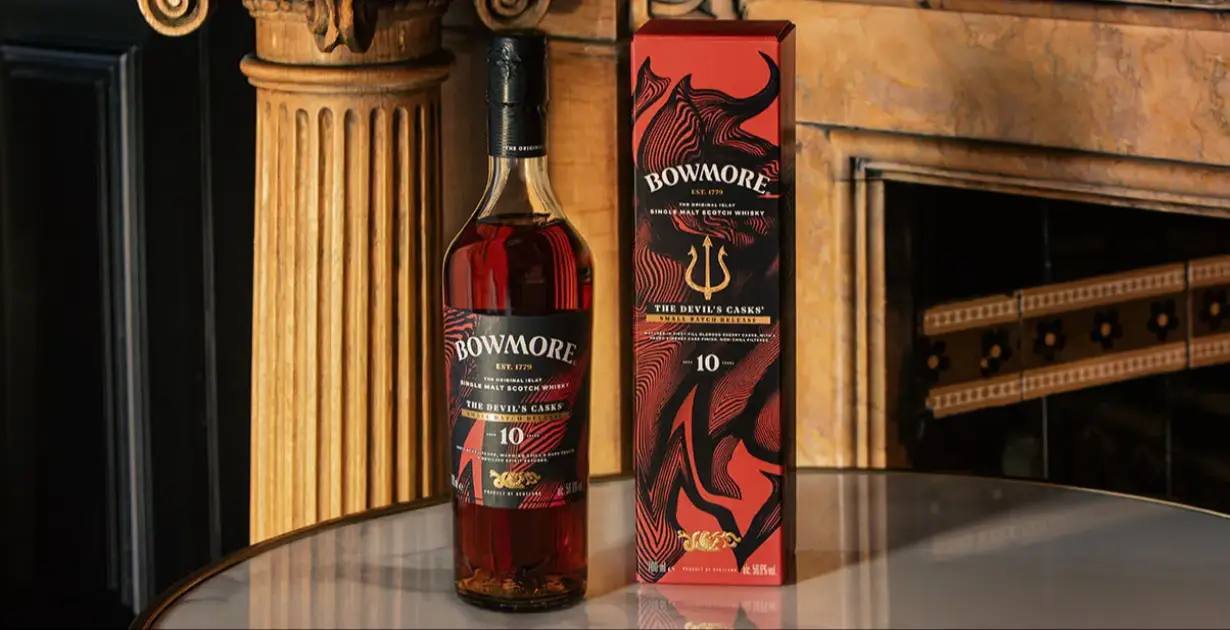
The same applies to cask language. "Sherry cask finish" tells you the type of cask, not the proportion of the blend that saw it, nor for how long. "First fill" is a claim about the cask's history, not a regulated term. The Regulations police the category, the age, the geography, and the distillery name. Everything else is the producer's word. Read the regulated parts as law. Read the rest as literature, and check which is which before you pay for it.
From the same shelf