WHISKY
Karuizawa: The Cask Market's Hardest Asset
Two casks, £4.25 million. One bottle, US$625,000. The closed Japanese distillery keeps resetting the auction ceiling.
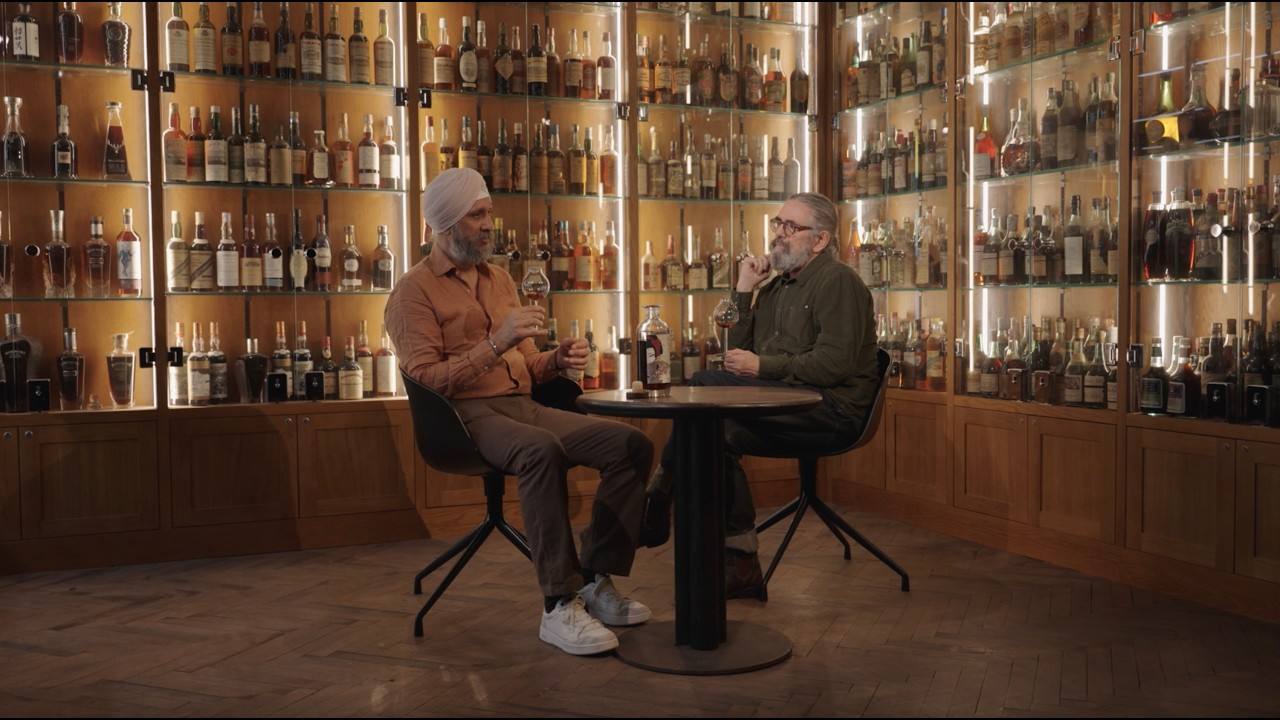
Karuizawa closed in 2000. It has been a quarter of a century since the distillery's last still run, and yet the Japanese whisky icon keeps setting records at auction. In March 2026, two of the distillery's final casks sold at Christie's for a combined £4.25 million. In September, a single bottle of Karuizawa 1960 sold at Sotheby's for US$625,000. No living distillery is the point. The market is buying what cannot be made again.
£4.25 Million for Two Casks
The March sale was handled by Christie's on 10 March 2026 and involved casks No. 6195 and No. 888, two of the last casks filled at Karuizawa before its closure. Each cask was sold for £2.125 million, a figure that includes both the hammer price and the buyer's premium, for a combined £4.25 million. Christie’s described the result as a record for the highest value lots ever sold at auction by its Wine & Spirits department. Both casks were distilled in 1999 and matured in sherry butts, and each was estimated to yield approximately 420 bottles.
The arithmetic is worth doing. At 420 bottles each, the combined sale implies a per-bottle price of roughly £5,060 before any bottling, duty, or packaging costs are incurred. The March sale repriced the entire category: a full sherry butt of Karuizawa, distilled in the distillery's final full year of production, is now a seven-figure asset.
The Prototype: US$625,000 for One Bottle
The September result was a different kind of record. Sotheby's sold Karuizawa 1960 Cask No. 5627, a single bottle billed as "The Prototype," for US$625,000. The result beat the bottle's pre-sale estimate of US$400,000 to US$600,000. The sale was handled by Sotheby's in September 2026 and reported by The Spirits Business.
Matured for 52 years, the whisky was the oldest Japanese whisky ever bottled at the time of its release, drawn from the oldest cask in Karuizawa’s inventory. The bottle’s rarity is total: the cask it came from can never be refilled. There is a distinction worth keeping straight in this market. The March result was for whole casks, an investment asset that will eventually be bottled. The September result was for a single bottle, a collector's object with no further productive life. Both set records. They are records in different asset classes.
At £2.125 million per cask for 420 bottles each, the March sale repriced every bottle of Karuizawa still in existence.
What the Market Is Really Buying
The Karuizawa market has a specific structure that collectors should understand. The distillery's entire remaining stock passed through a small number of custodians after closure, most notably Number One Drinks, which acquired the remaining 364 casks in 2010 when the distillery’s demolition was announced and managed their bottling over the years that followed. The bottles that built Karuizawa's reputation, the 1960s and 1970s single casks sold in the 2000s and 2010s, came from that stock. The March 2026 sale of the final two casks was, in a real sense, the last of the last: the closing of a chapter that began when the distillery shut its doors.
This is also why the "record" framing deserves care. Auction results are quoted inclusive of buyer's premium, and the March £4.25 million figure is a premium-inclusive total. Hammer prices alone would be lower. The distinction matters because the premium goes to the auction house, not the seller, and because future records will be measured against the headline number. In a market this thin, with this few comparable sales, a single result can set the ceiling for years.
For drinkers, the lesson is bleaker than the headlines. Every record price for a Karuizawa cask is a reminder that the liquid is finite and shrinking. The bottles bought in the 2010s for hundreds of pounds are now worth thousands, and the casks that produced them are gone. The market is efficient at one thing: pricing scarcity. Whether it is pricing whisky is a question the auctions cannot answer.
From the same shelf