WHISKY
The Sherry Cask, Explained
The most expensive barrel in whisky is not a leftover. It is purpose-made, sherry-seasoned, and the subject of a quiet corporate land grab.
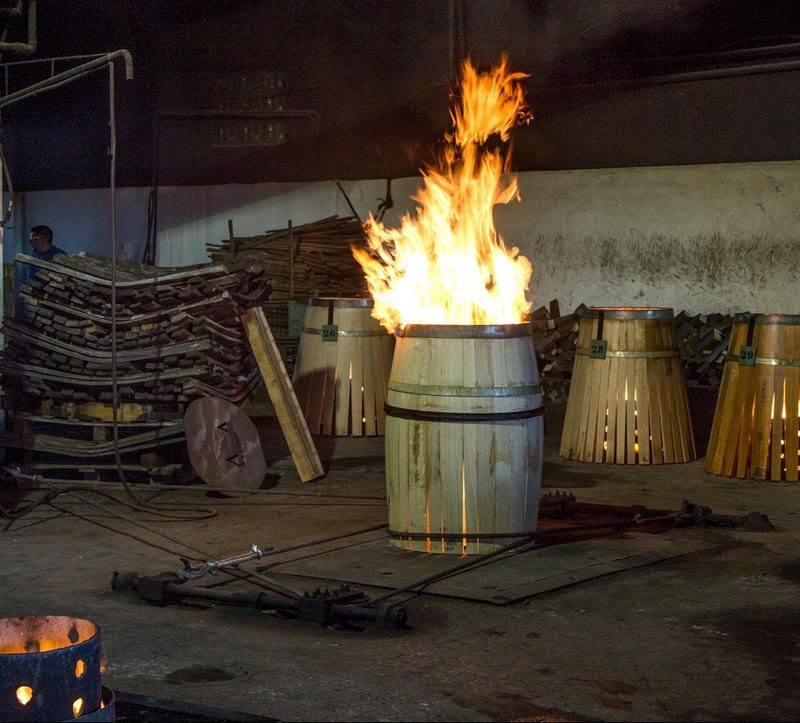
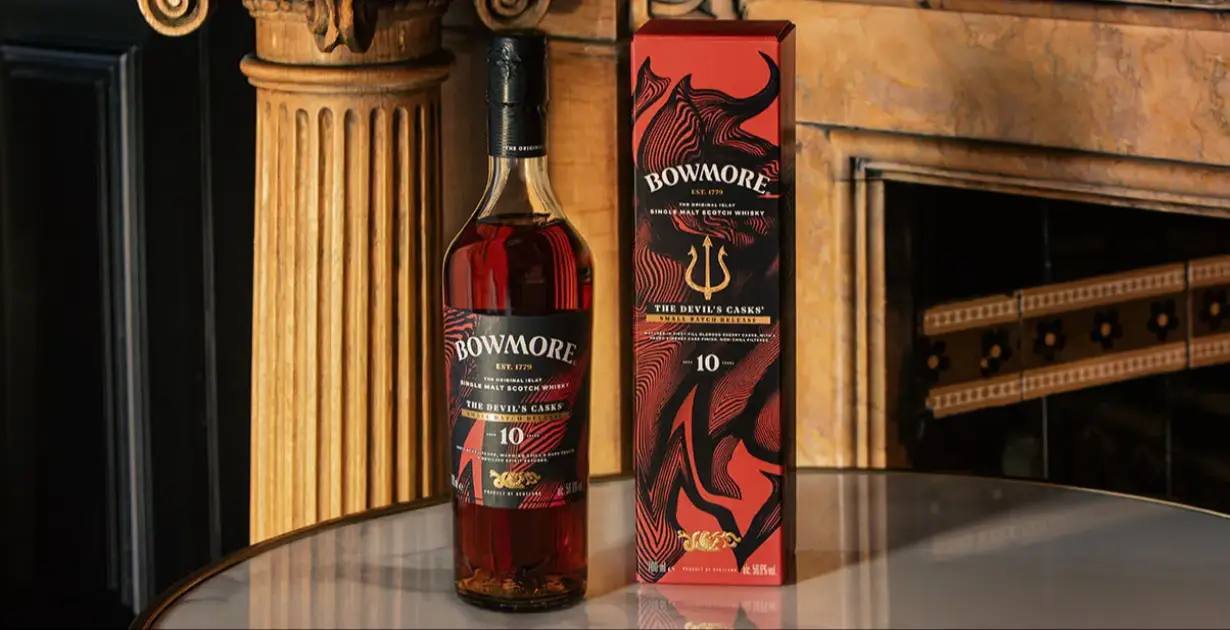
Few phrases in whisky retail carry as much weight as "sherry cask," and few are as widely misunderstood. The romantic version says these are barrels that once carried sherry to Britain and were then pressed into service for whisky. The truth is more deliberate and more expensive: the sherry casks that matter in modern Scotch are purpose-made, seasoned with sherry for the express purpose of maturing whisky, and built by a supply chain that the industry's biggest players are now buying into directly.
Not Leftovers: Purpose-Made Casks
The old transport trade, in which sherry was shipped to Britain in oak butts, largely ended decades ago. What replaced it is the seasoning model. Oak casks are built new, then filled with sherry, usually Oloroso, for a period of months or years so that the wine conditions the wood. The sherry is then removed, and the seasoned cask is shipped to Scotland. The seasoning sherry is fermented wine made for the job, not the fine sherries of Jerez's bodegas, but it does the chemical work: it tames raw oak tannin, deposits wine-derived compounds in the wood, and prepares the cask to give whisky its characteristic dried-fruit, nut, and spice depth.
This is why sherry cask whisky commands a premium, and why the casks are a strategic asset rather than a commodity. A new American oak barrel for bourbon is a standard industrial product. A sherry-seasoned European oak butt is the product of forestry, cooperage, and bodega capacity in southern Spain, and there is a finite amount of it. Ardgowan, the new Inverclyde distillery that filled its first cask in June 2025, invested millions of pounds in casks seasoned for three years with Spanish Sherry before the distillery was even built, with the intention of maturing spirit for 18 years or more. You do not spend that money on leftovers.
The Macallan's Fourth Play
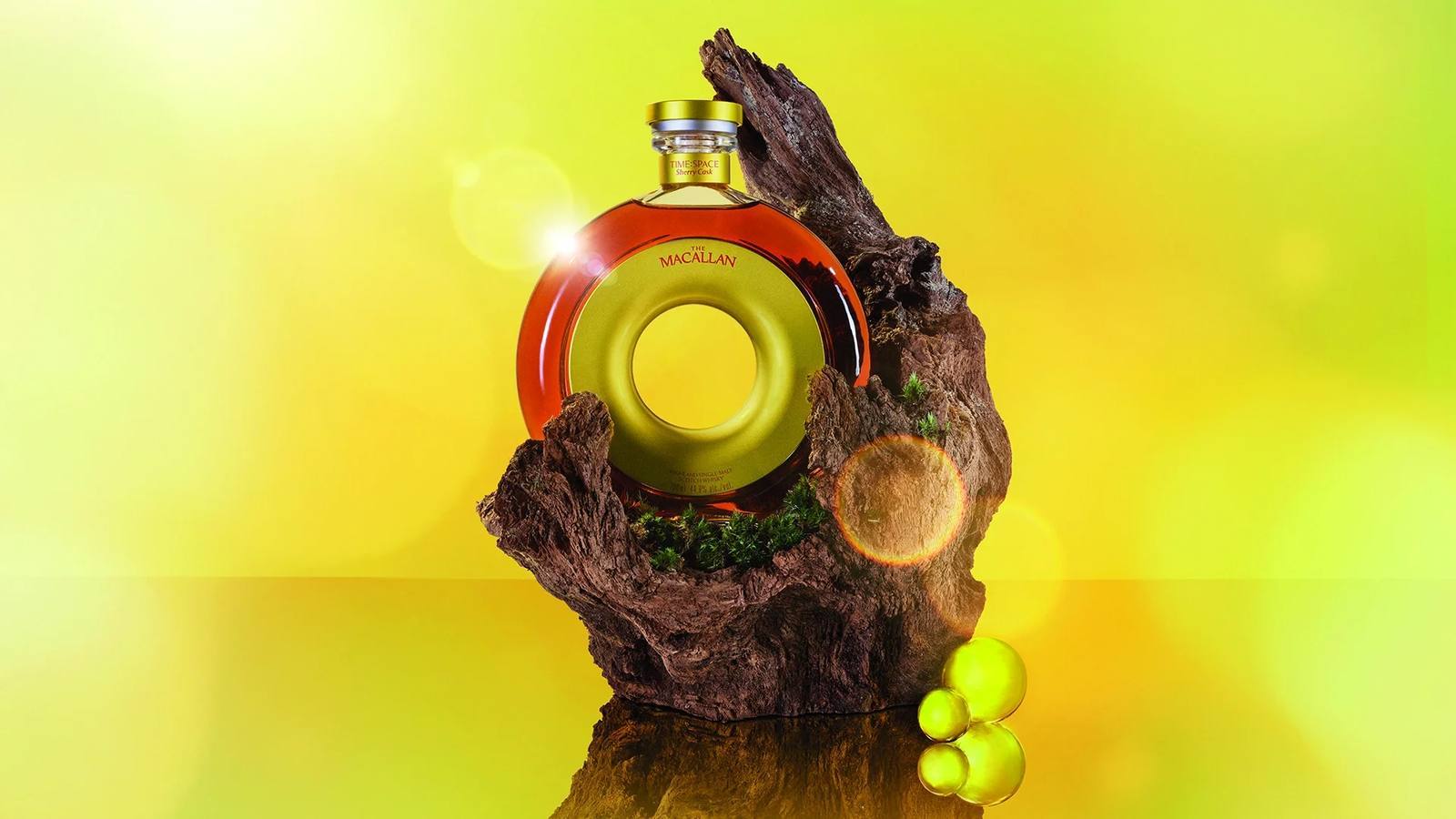
Nobody has pursued sherry cask security further than The Macallan. In September 2024, the Speyside distillery announced that it would take a 50 percent shareholding in a new company, Tevasa Forestal Group, combining the Tevasa cooperage in Jerez with its sister businesses Forestal Peninsular and Forestal Peninsular de Cantabria, which operate sawmills in Lugo and Cabezón de la Sal. The sawmills source oak from forests in northern Spain and southern France. Tevasa had been a Macallan supplier for more than forty years; the partnership turns a supplier into a subsidiary.
The joint venture completed a quartet of supply-chain investments made over two years, according to the company's announcement. In 2023, The Macallan acquired a 50 percent stake in Grupo Estévez and its Valdespino sherries, vineyards, and bodegas. In September 2023 it bought the Vasyma cooperage in Jerez, which specializes in American oak casks. And it formed a joint venture with Coopers Oak, a specialist sawmill in Ohio that supplies American oak staves to Vasyma. The company's managing director, Igor Boyadjian, said the investments would give The Macallan an unparalleled level of ownership in the production process of sherry-seasoned casks, from forest to filled butt.
The sherry casks that matter in modern Scotch are purpose-made, not leftovers. The seasoning is the product.
What the Wood Does
It is worth being honest about what a cask claim on a label actually tells you. "Sherry cask matured" means the whisky spent its maturation in seasoned oak. It does not tell you the proportion of European to American oak, the size of the cask, how many times the cask was filled before, or how long the seasoning lasted. A first-fill European oak butt and a third-fill American oak hogshead that once held sherry are both, loosely, "sherry casks," and they will produce very different whiskies.
The industry knows this, which is why the serious producers specify. European oak gives more tannin, more spice, more of the dark dried-fruit character that defines the classic sherried style. American oak gives sweeter, more vanilla-led wood influence. The Macallan's supply-chain strategy covers both: European oak through Tevasa, American oak through Vasyma and the Ohio sawmill. When a distillery buys the forest, it is not buying romance. It is buying control over the single most influential ingredient in its whisky after time itself, and making sure nobody else can buy it first.
From the same shelf