WHISKY
The Tariff Ledger: What the Atlantic Owes the Shelf
Scotch is free of US duties again. Cognac and Irish whiskey are not. Two estimates, one deadline, and the fine print behind both.
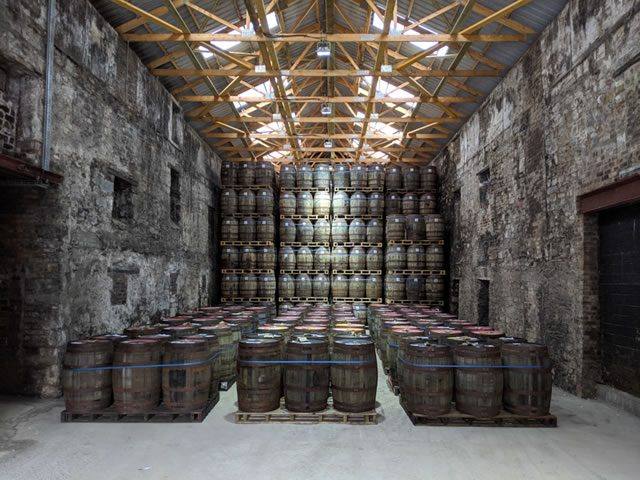
On 24 July 2026, the United States returned to tariff-free trading for Scotch whisky. The 10 percent levy imposed in April 2025 was lifted following King Charles III's state visit that spring, and the new arrangement is, in the words of Scotland's first minister, a zero-for-zero tariff regime. It is a win for Scotland, and it is worth being precise about what it is not: it is not a reprieve for every bottle on the shelf.
The compressed version of this story, that tariffs came and went, is wrong in the details that matter. Scotch faced a 10 percent US tariff from April 2025. EU spirits faced a 15 percent tariff from 1 August 2025. The Irish whiskey portion of that was reduced to 10 percent in July 2026, with the US president promising full removal in September 2026. Cognac, however, remains at 15 percent: for Cognac the tariff is still in force. Two categories of imported spirits are now operating under two different tax realities in the same market, and the ledgers are diverging.
A Reprieve for Scotland
The damage from the fifteen months of Scotch tariffs is a matter of record. Export volumes of Scotch to the United States fell by 15 percent between May and December 2025, and export value fell by 7 percent over the same period, according to the Scotch Whisky Association. The US remained the industry's most valuable overseas market, worth 933 million pounds (US$1.24 billion) in 2025, but the tariff had been due to rise further: The Drinks Business reported it was scheduled to increase to 25 percent for single malts earlier this year. The July exemption arrived before that cliff edge.
The industry's response was unambiguous. The SWA's international director, Ian Duddy, said the removal would provide greater confidence to invest, grow exports, and support jobs and communities across Scotland and the US, from Kentucky to Speyside. Chris Swonger, president and CEO of the Distilled Spirits Council of the US, called it a meaningful step toward restoring the zero-for-zero tariff framework that had underpinned growth for decades. Pernod Ricard's aged spirits chief, Nodjame Fouad, welcomed the move and immediately added the obvious: the same relief should now be extended to Irish whiskey, Champagne and Cognac.
The Fifteen Percent Left Standing
For EU spirits, the ledger is still open. On 1 August 2025, the US set a 15 percent tariff on imports of European wines and spirits, down from an initially proposed 30 percent. Rémy Cointreau, which owns Cognac house Rémy Martin, updated its assumptions for the 2025-26 fiscal year on that basis: the group revised its estimated net tariff impact on current operating profit downward from 45 million euros to 30 million euros, split between 10 million euros in China and 20 million euros in the United States. That is the company's own estimate, factoring in its mitigation plans, and it is an estimate of damage contained, not damage avoided.
In November 2025, a new executive order removed certain agricultural products from the US reciprocal tariff list, effective for goods entering from 13 November. Spirits were not among the exemptions. Scotch whisky, Cognac, and Irish whiskey continued to face higher duties, and for Cognac and Irish whiskey the higher duty is the 15 percent EU rate that still stands.
Scotch faced 10 percent from April 2025. EU spirits faced 15 percent from 1 August 2025. Cognac remains at 15 percent. That tariff is still in force.
Reading the Estimates
Two competing estimates have circulated about what these tariffs cost, and they describe different things. The Distilled Spirits Council's own analysis holds that a 15 percent tariff on EU spirits alone could result in US$1 billion in lost US sales and the elimination of 12,000 American jobs, a figure tied specifically to spirits. A separate coalition, Toasts not Tariffs, comprising 57 US associations and state guilds, estimated that a 15 percent tariff on EU wine and spirits together could cause more than 25,000 American job losses and nearly US$2 billion in lost sales. The two numbers are not contradictory; they are not the same claim. The first covers spirits. The second covers wine and spirits together.
Both estimates make the same underlying point, which is that the hospitality industry, not the foreign distiller, absorbs most of the blow. Alcohol sales account for roughly 21 percent of total restaurant revenue, according to the DISCUS analysis, and neither Cognac nor Scotch can be produced in the United States. A tariff on geographically indicated spirits does not protect a domestic industry. It taxes a product with no domestic substitute.
As of 25 September 2026, the Atlantic has two regimes. Scotch is trading free. Cognac and Irish whiskey are not. The lesson of the ledger is that tariffs on spirits are not a single story but a set of schedules, each with its own deadline, and only some of them have been closed.
From the same shelf