RUM
Cane to Cask: How Rum Is Made
Fresh juice or molasses, hours or weeks of fermentation, pot or column. The production choices that decide what is in the bottle.
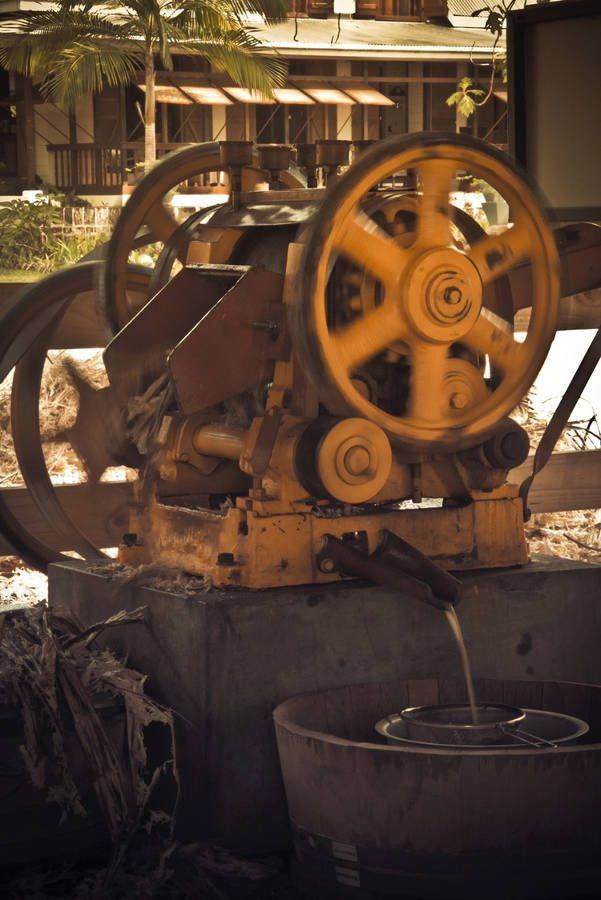
Every rum begins in a cane field, but the paths diverge immediately. The fundamental choice in rum production is the raw material: fresh sugar cane juice or molasses, the byproduct of sugar refining. That single decision shapes the harvest calendar, the fermentation, the distillation, and the character of the spirit. Everything else in rum production is commentary on it.
Two Raw Materials, Two Calendars
Fresh cane juice is perishable. Once cane is cut, it must be milled within hours, and the juice must be fermented promptly before wild microbes take it somewhere unintended. On Martinique, the AOC formalizes this urgency: cane cutting runs from 1 January through 31 August, and the distilling season follows the harvest. Agricole rum is, by law and by chemistry, a seasonal spirit tied to the agricultural year.
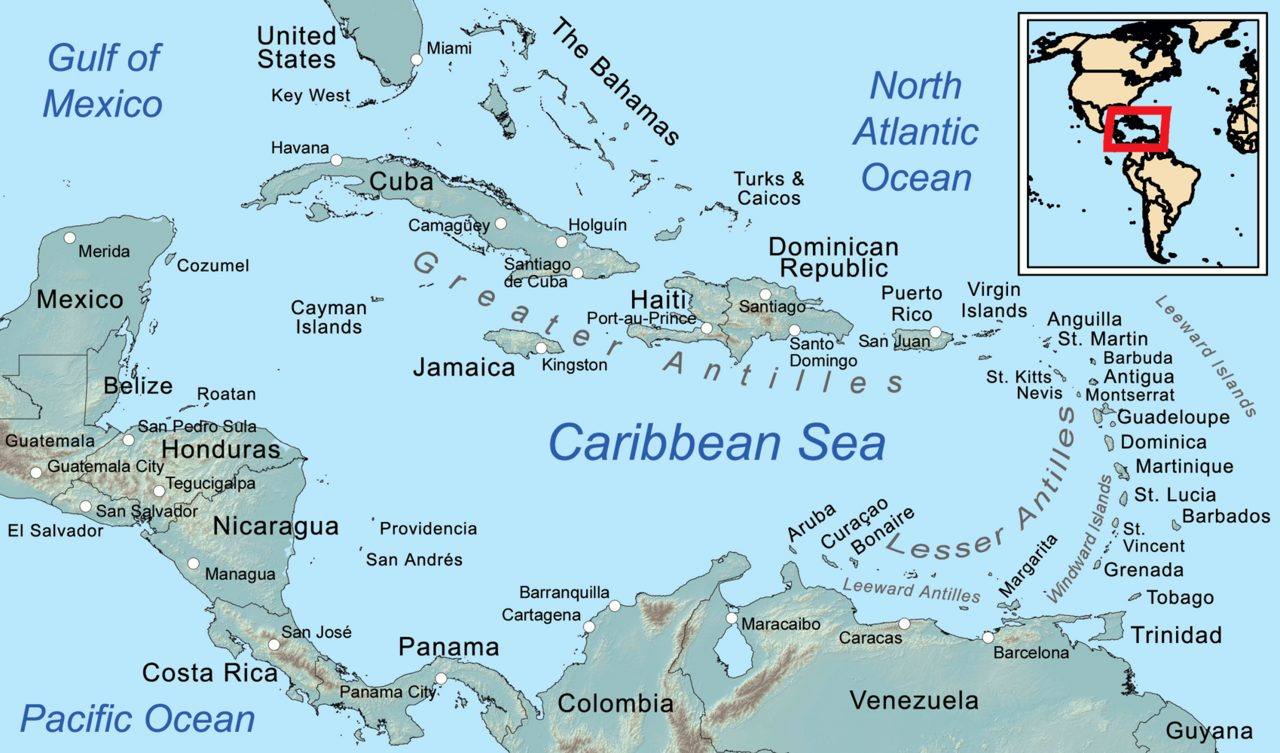
Molasses is the opposite: a stable, storable commodity, the thick residue left after sugar crystals are extracted from cane juice. A molasses-based distillery can ferment and distill year-round, decoupled from the harvest. This is why the great molasses traditions of Jamaica, Barbados, and Guyana operate on industrial rather than agricultural calendars. The raw material is less expressive than fresh juice, which is why molasses distillers work harder at fermentation: longer ferments, dunder pits, selected yeasts, all techniques for building flavour the raw material does not provide.
Fermentation: Hours to Weeks
Fermentation is where rum's diversity is really made. The legal range is wide. Martinique's AOC caps fermentation at 120 hours and the resulting wash at 7.5 percent ABV: a controlled, relatively quick ferment suited to expressive fresh juice. Jamaican distilleries may ferment for weeks, using dunder and the island's wild microbial flora to build the extraordinary ester counts that define the high-ester marks. The difference between a five-day ferment and a three-week ferment is the difference between two different spirits.
Yeast is the quiet variable. Some distilleries use selected cultured yeasts for consistency. Others rely on wild fermentation, accepting variability for complexity. Neither is categorically better; they are different instruments. But the choice belongs on the label more often than it appears there, because it explains more about the rum's character than the brand story does.
Distillation: Pot, Column, and Wood
Distillation concentrates and shapes what fermentation created. Pot stills, batch-distilled, produce heavier, more congener-rich spirits at lower strengths. Column stills, continuously operated, produce lighter, cleaner spirits at higher strengths. Most rum-producing countries use both, blending the outputs to build a house style: the heavy pot-still marks for character, the light column spirit for volume and for blending flexibility.
The extremes are instructive. Martinique's AOC restricts distillation to between 65 and 75 percent ABV, preserving the cane character that heavier rectification would strip. Guyana's Port Mourant double wooden vat still, a working wooden antique at the Diamond Distillery, produces at the heavy end of the spectrum by methods unchanged for generations. Between those poles lies the entire world of rum distillation, and the still is the single best predictor of what the rum will taste like.
Fresh juice must be milled within hours and fermented promptly. Molasses waits. That single difference shapes the whole production calendar.
Maturation: Climate as Ingredient
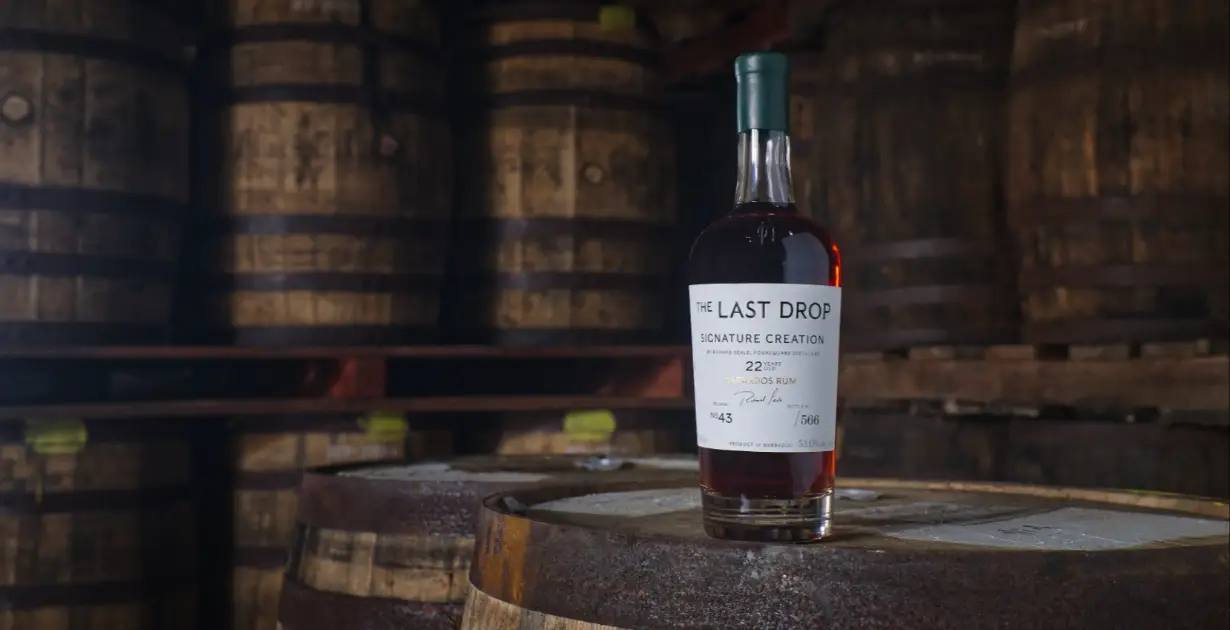
Rum matures in oak like whisky, but faster. In the tropical heat of the Caribbean, the angel's share, the spirit lost to evaporation, runs several times higher than in Scotland, and extraction from the wood accelerates accordingly. A rum aged six years in the tropics may show the wood influence of a much older whisky. This is why age statements in rum need origin context: the number means something different in Barbados than it does in Scotland.
Martinique's AOC gives the clearest maturation ladder in rum: six weeks' rest for white rum, 12 months minimum in oak for aged rum, three years for VO, four for VSOP, six for XO. Elsewhere the rules are looser or absent, which returns the drinker to the label-literacy the category demands. Know the raw material, know the ferment, know the still, know where it aged and for how long. Four facts, and the bottle opens itself.
From the same shelf