RUM
A Rum Map of the Caribbean
Jamaica, Barbados, Martinique, Guyana: four islands, four traditions, no stereotypes. What actually distinguishes the great rum origins.
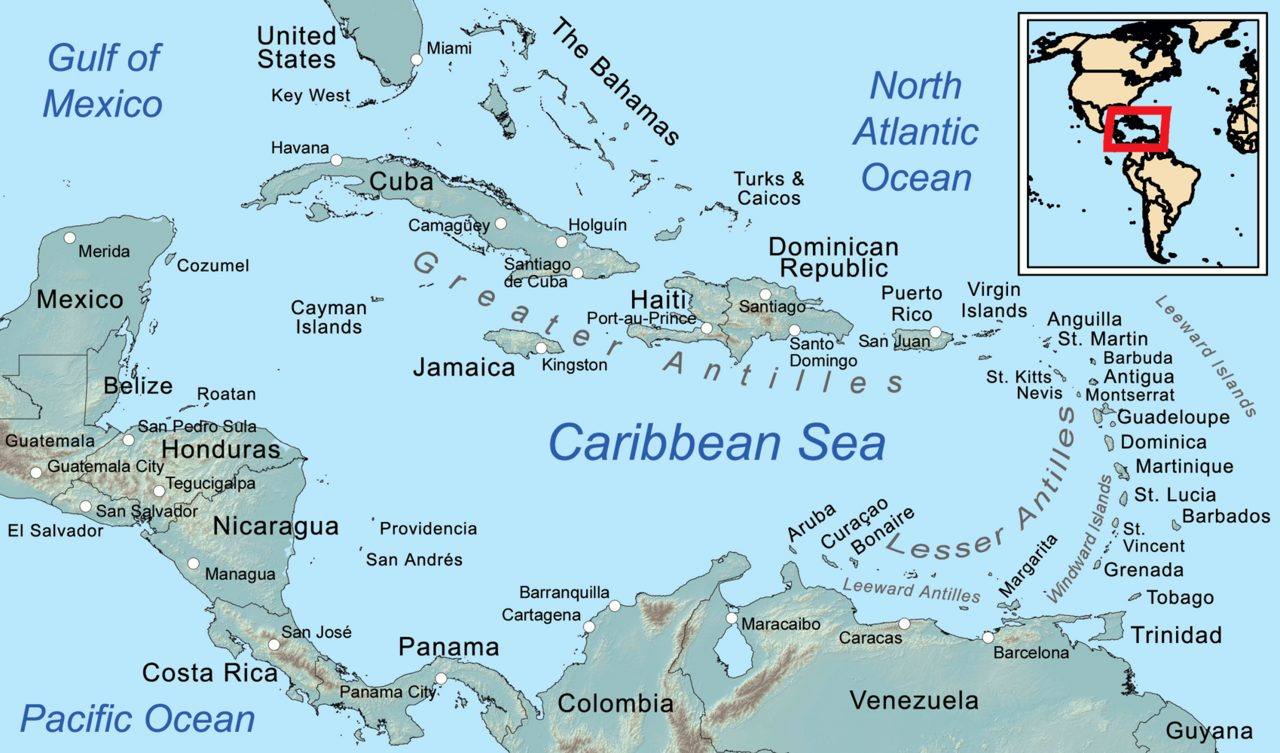
The Caribbean is not one rum tradition but several, and the differences are matters of law, still, and raw material, not of marketing. Four origins anchor the map: Jamaica, Barbados, Martinique, and Guyana. Each makes rum under different rules and different histories. This is what actually distinguishes them, without the flavour stereotypes the industry leans on.
Jamaica: The Ester Island
Jamaica's distinction is chemical and legal. The island's rum regulations define high-ester marks, grades of rum classified by their ester content, which is the product of long fermentations and the traditional practice of using dunder, the acidic residue of previous distillations, in the wash. The great Jamaican distilleries, Long Pond and New Yarmouth among them, produce marks of extraordinary intensity that form the backbone of blended rums worldwide. Jamaica is the only major rum origin whose law encodes flavour chemistry in this way.
The island's rum is predominantly molasses-based and pot-distilled, though column stills operate as well. What matters for the drinker is not the stereotype of "funky" Jamaican rum but the structure: the ester system gives blenders a calibrated palette, from light to intensely aromatic, and gives single-cask bottlers some of the most distinctive barrels in the category.
Barbados: The Integrated Tradition
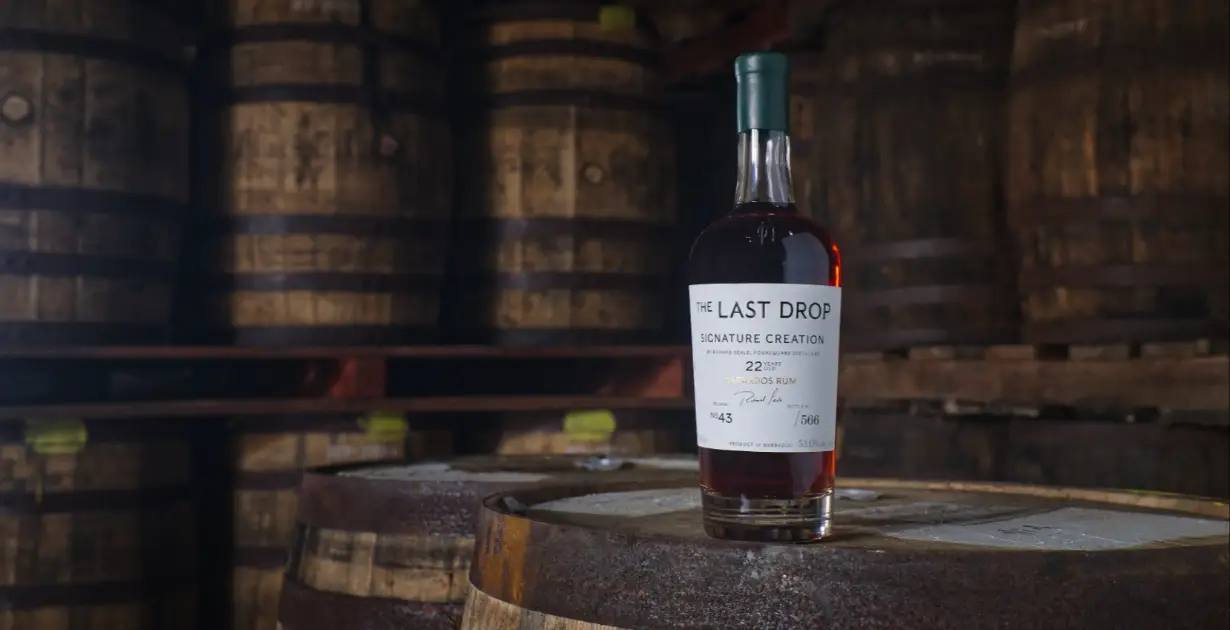
Barbados claims the oldest documented rum distilling history in the world: a 1703 deed records the distillery that became Mount Gay, making it among the oldest continuously operating rum producers anywhere. The island's tradition is one of integrated estates, distilleries that have long combined distillation, aging, and blending under one roof, using both pot and column stills.
As noted elsewhere in this issue, Barbados has no enacted geographical indication: the 2020 GI proposal, which would have mandated island distillation, youngest-spirit age statements, and a ban on sugar syrup and flavourings, was never passed into law. The island's standards are maintained by reputation and by the practices of its distilleries, not by statute. For the drinker, Barbados offers the Caribbean's most polished mainstream style: aged, blended, oak-driven rums of considerable finesse, made by houses with centuries of continuity.
Martinique: The Appellation
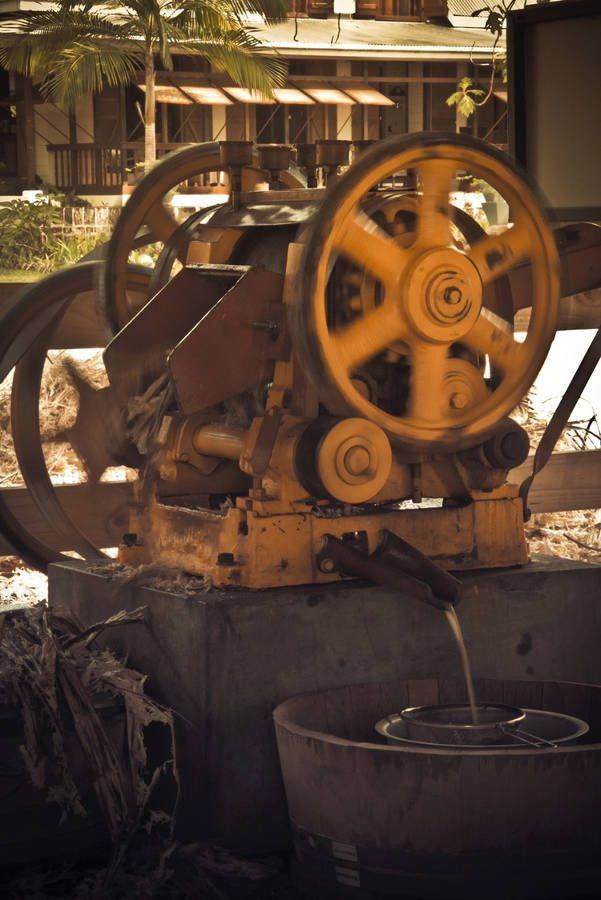
Martinique is the legal outlier. Its 1996 AOC applies exclusively to rhum agricole, distilled from fresh cane juice, and regulates the process in detail: cane origin and cutting dates, fermentation capped at 120 hours, distillation between 65 and 75 percent ABV, six weeks' rest for white rum, and oak aging minimums of 12 months, three years for VO, four for VSOP, six for XO. No other rum origin is this tightly governed.
The agricole method produces a distinct spirit: grassy, vegetal, cane-forward when young, developing remarkable complexity with age. Because the AOC ties production to the cane harvest, Martinique's rum is seasonal in a way molasses rum is not. It is the connoisseur's origin and the smallest of the four in volume, which is precisely why its rules can be so strict.
Guyana: The Wooden Stills
Guyana, on the South American mainland but culturally Caribbean, is the home of Demerara rum and of the most unusual distilling heritage in the rum world. Demerara Distillers produces at the Diamond Distillery, which houses historic wooden stills including the Port Mourant double wooden vat still, a working antique that produces one of the most distinctive heavy rums on earth. A current independent bottling of Port Mourant, molasses-based, aged 12 years in ex-bourbon casks and bottled at 56.7 percent ABV, shows the style: deep, dark, full-bodied, shaped by wood and by time.
Guyana's distinction is consolidation: where Jamaica has many estates, Guyana's heritage stills were gathered under one roof, preserving distilling methods that vanished everywhere else. The wooden stills are not museum pieces. They are in production.
Four origins, four rulebooks: Jamaica's ester marks, Barbados's estate tradition, Martinique's appellation, Guyana's wooden stills.
The map's lesson is the category's lesson. Rum's diversity is structural, written into stills, statutes, and cane fields. Learn the four origins and the shelf stops being chaos. It becomes geography.
From the same shelf