RUM
Six Queensland Distilleries Put a State in One Rum
For the fourth Queensland Rum Day, six distilleries across 2,000 kilometres blended their rums into The Rum Consortium 2026: 5,280 bottles, 40 percent, no added sugar, $119.
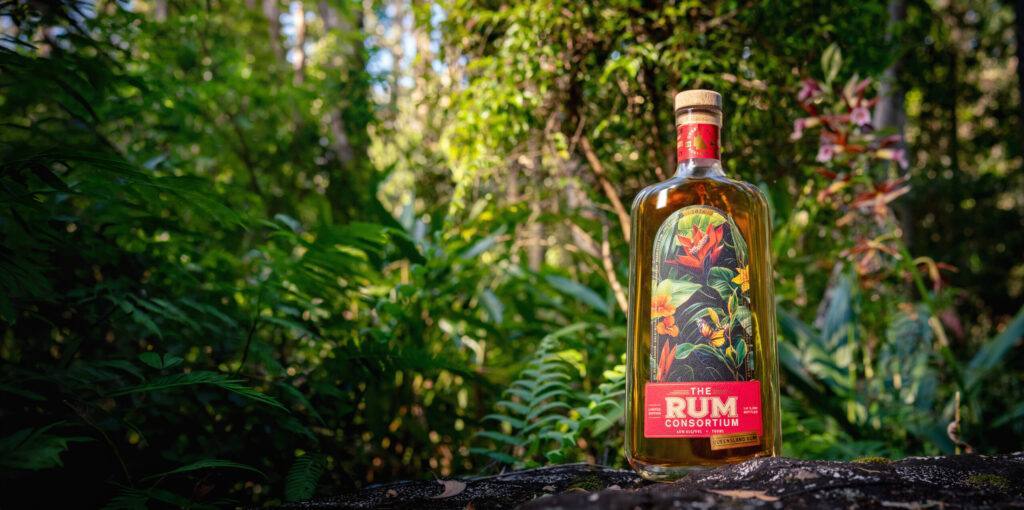
Queensland Rum Day returned on Saturday 17 October 2026 for its fourth year, and with it came the most ambitious version yet of the collaboration that has come to define it. Six Queensland distilleries have combined their rums in a single limited blend, The Rum Consortium 2026.
The four founding distilleries are Beenleigh Rum, Bundaberg Rum, Kalki Moon Distilling and Brewing, and Nil Desperandum Rum. Bundaberg, the best-known name in the group, is owned by Diageo, which puts a global drinks group at the same blending table as some of Queensland's smallest independent distilleries. They are joined by Burdekin Rum, returning as a guest distiller, and FNQ Rum Co, taking part for the first time. Between them they cover a remarkable amount of ground, in every sense: the participants are spread across some 2,000 kilometres of Queensland.
The blend itself is a survey of how Queensland makes rum. It combines rums made from three different starting points, molasses, sugarcane syrup and fresh-pressed sugarcane juice, aged between two and 12 years. Every part of the chain stayed in the state: the sugarcane was grown in Queensland, and the rum was distilled, matured and bottled there. Burdekin's contribution carries the fresh-pressed signature; its rum is made from sugarcane juice rather than molasses, a distinction its chief executive Tim Lamb was keen to bring to the shared bottle.
That range sits inside a definition with legal force. Since 1906, as Beenleigh's product page explains, Queensland Rum has been defined in Australian law as a spirit of at least 37 percent ABV, distilled in Queensland and matured in Queensland in wood for at least two years, from a fermented liquor derived from the products of sugar cane. The Consortium, at 40 percent and with its youngest component at two years, is built to that definition as well as to taste.
The finished release runs to 5,280 bottles of 700ml, bottled at 40 percent ABV with no added sugar, priced at $119, a price the organisers note is unchanged from 2025. Online sales opened on 13 October through the six distilleries' own websites; cellar-door sales followed at 10am on Rum Day itself, while stocks lasted, and shipped web orders were due to leave from Monday 19 October. In a wry detail the collectors will appreciate, every bottle is marked number 1 of 5,280.
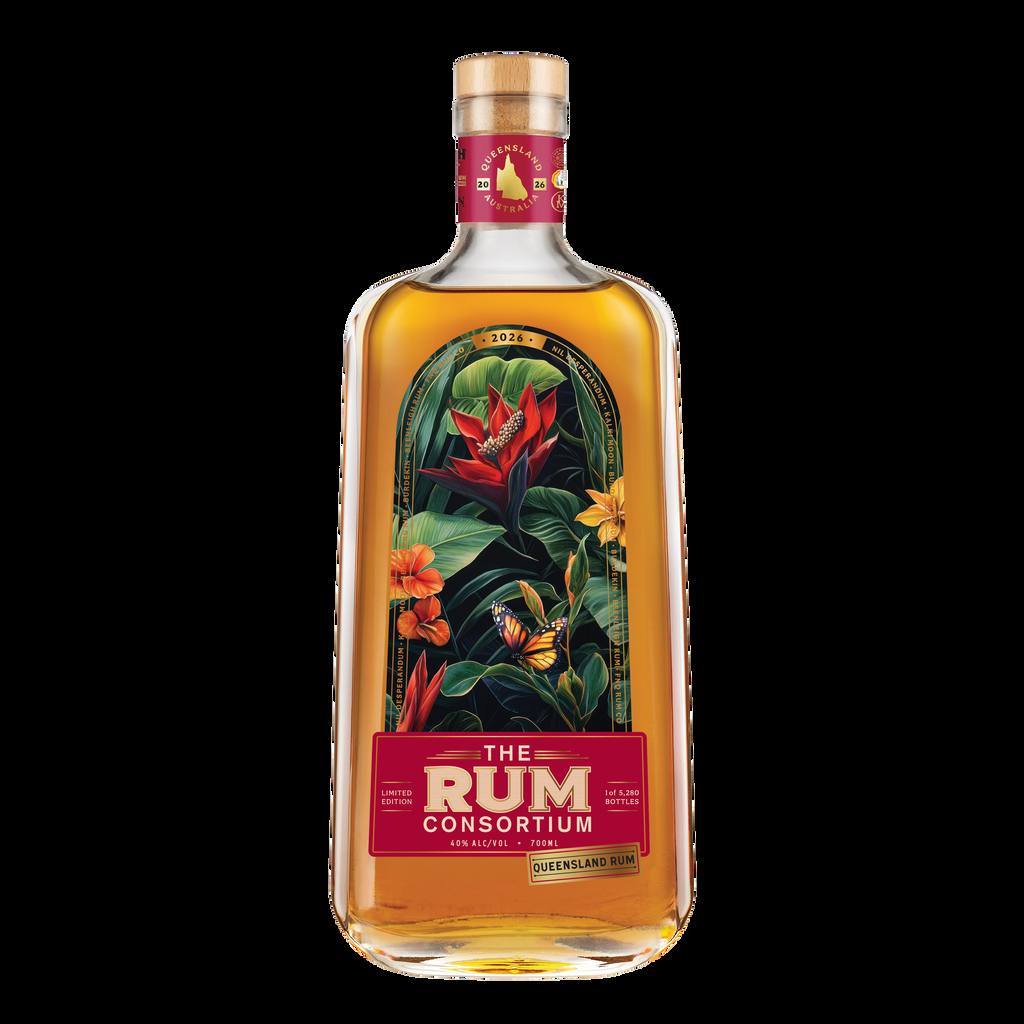
Vanessa Chapman, president of the Queensland Distillers Association, framed the day as an argument for recognition. “Queensland Rum Day gives people a reason to discover the quality and character of Queensland rum,” she said. “The Rum Consortium takes that a step further, bringing different distillers’ expertise and styles into one shared expression, helping build recognition for Queensland as a premium spirits region, both nationally and internationally.”
Lamb made the geographical point that sits underneath the whole exercise. “This year, Rum Day brings the scale and diversity of the state together in a glass, uniting distilleries across 2000 kilometres of Queensland,” he said. “It’s exciting to bring our Burdekin sugarcane juice rum to such a great industry celebration.” Nil Desperandum founder Matt Hobson put the blending case more simply, saying the blend “showcases the category of Queensland rum and the delicious result of giving great spirit the time it deserves”. The makers' published notes for the blend, carried on Nil Desperandum's product page, describe crème caramel, butterscotch and toffee apple on the nose, with roasted figs, dates, cooked banana and mango through the palate.
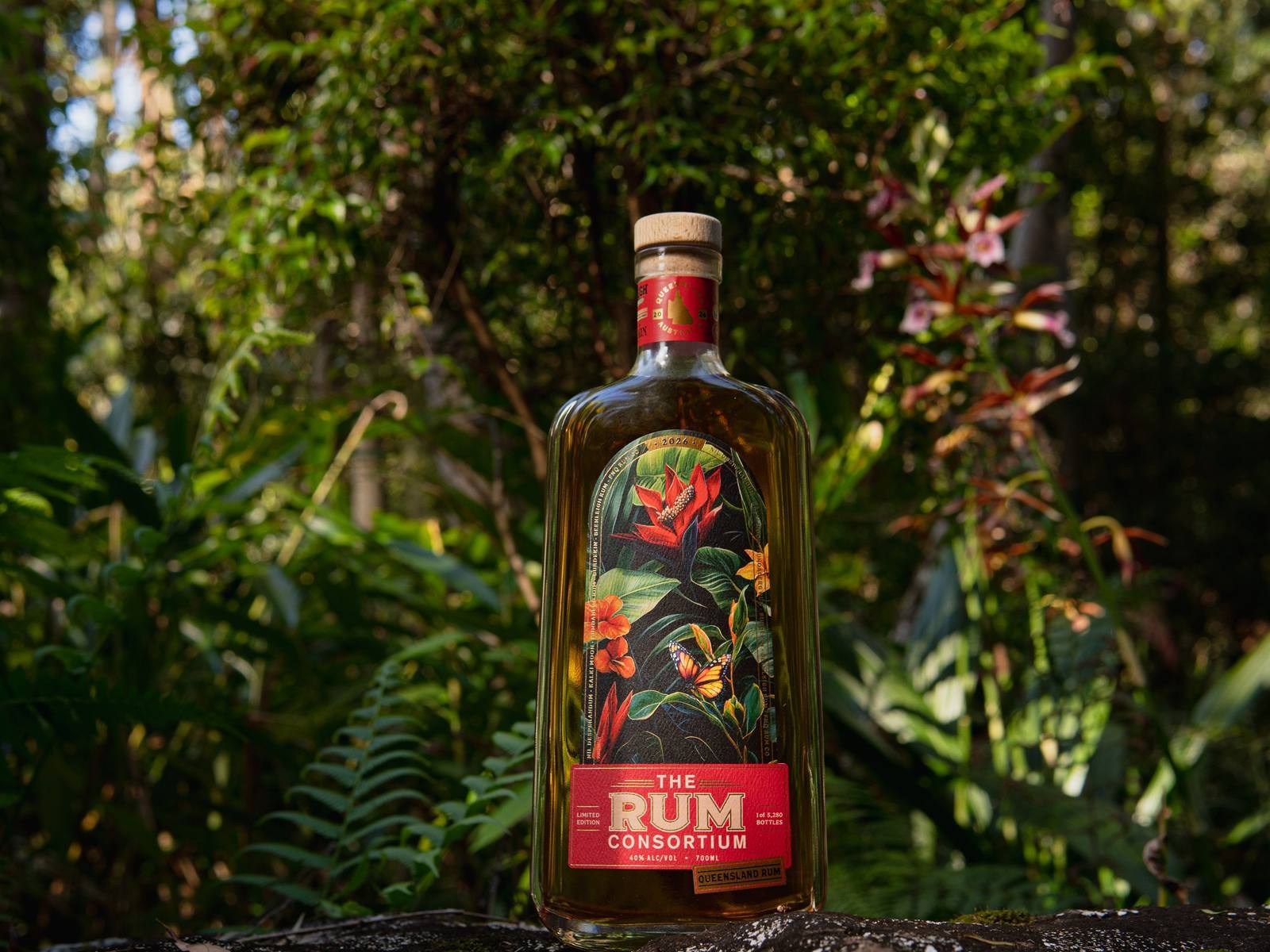
The day itself was marked at the cellar doors. Beenleigh presented a showcase of crafted spirits from Queensland's boutique producers, with market stalls, live entertainment and tastings. Nil Desperandum hosted a distillery-door celebration with pies and brownies made with the blend, live music and family activities. Bundaberg offered its adult Distillery Experience tours, and Kalki Moon ran complimentary guided tours through the day.
Collaborative bottlings are usually marketing exercises, and some of them taste like it. The Consortium has a stronger claim than most, because its premise is a genuine technical question: what does a whole state's rum tradition, molasses and cane juice, two years and twelve, actually taste like when it is blended by the people who made each part? Rum has spent a decade arguing for regional identity, for the idea that place survives the still. Queensland has now bottled the argument, 5,280 times.
From the same shelf