Cognac & Armagnac

Two French brandies, two rulebooks, one shared grape country. The age grades look alike. The details do not.
Cognac and Armagnac are the two great brandies of France, and they are routinely confused by drinkers who assume the age grades mean the same thing in both. They do not. The two regions operate under different rules, distill differently, age differently, and produce spirits with different characters. This is the field guide to telling them apart, built from the regulations themselves.
Cognac comes from the Charente and Charente-Maritime departments around the town of Cognac, a delimited region of six crus led by Grande Champagne and Petite Champagne. Armagnac comes from Gascony, further south, across the Gers, Landes, and Lot-et-Garonne, with its own three sub-regions: Bas-Armagnac, Ténarèze, and Haut-Armagnac. Both are grape brandies, both are distilled from white wine, and both use Ugni Blanc as the workhorse grape. The resemblance largely ends there.
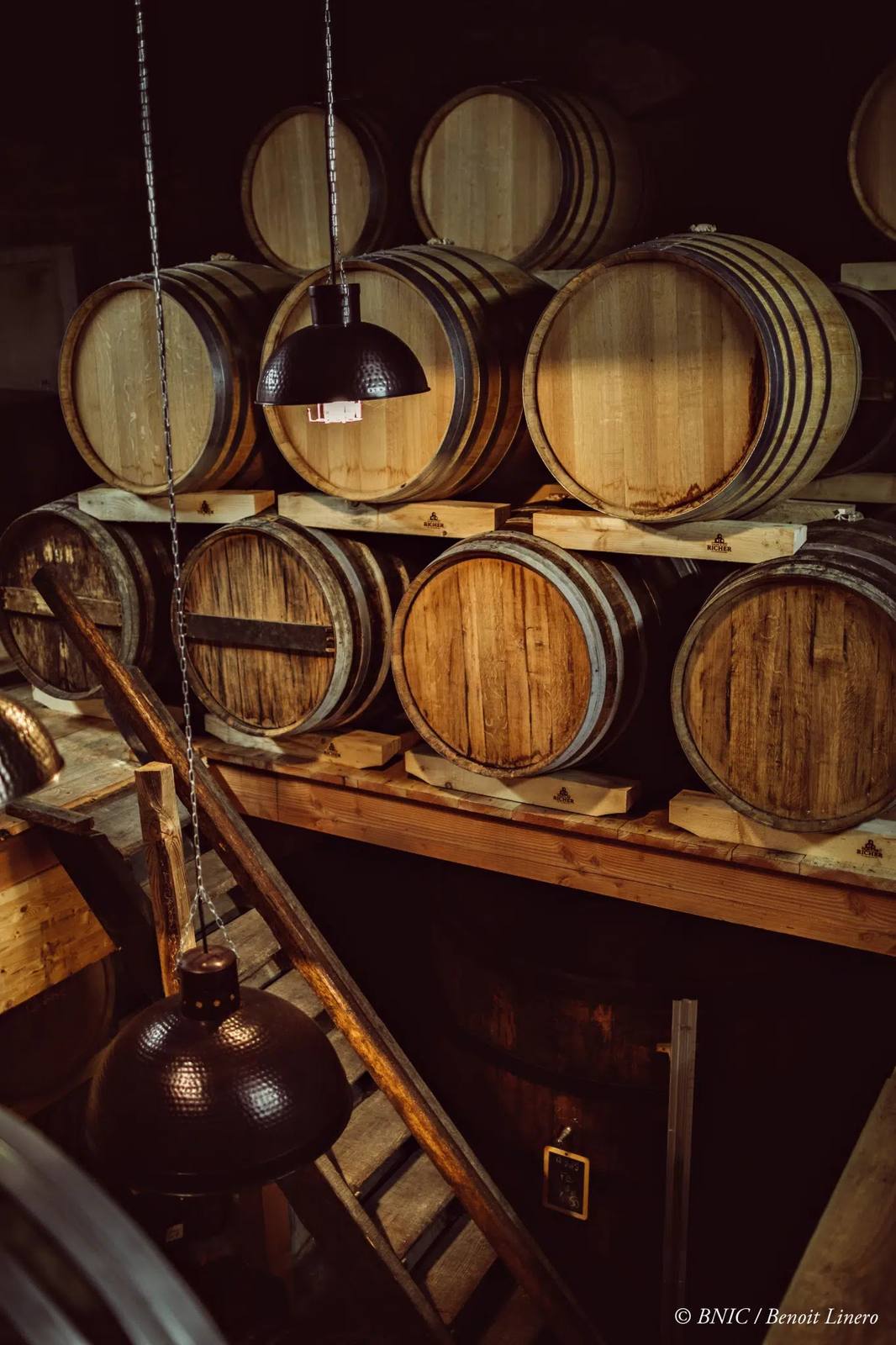
The distillation traditions differ in a way that shapes everything downstream. Cognac is double-distilled in copper pot stills, the Charentais alembic, producing a high-strength, relatively neutral eau-de-vie that takes its character primarily from long oak maturation. Armagnac is traditionally distilled once, in a distinctive column still, the alambic armacais, producing a lower-strength spirit that retains more of the wine's character. This is a generalization, not a law: some Armagnac is double-distilled, and the regulations allow variation. But the single-versus-double distinction is the traditional fault line, and it is real.
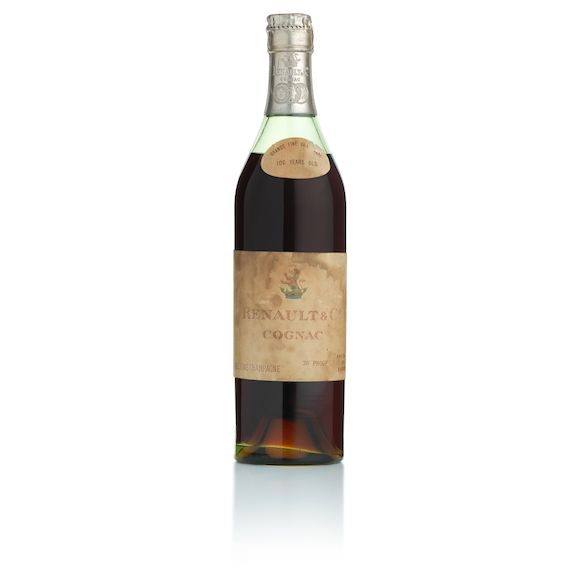
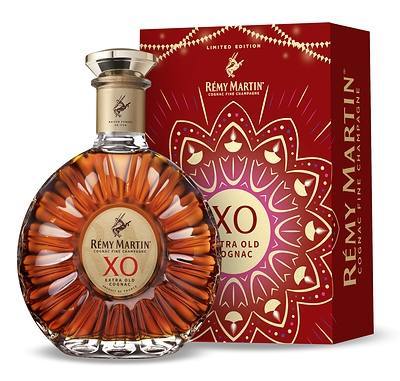
Here is where drinkers get tripped up, because the letters are the same and the minimums are not. In Cognac, VS, Very Special, requires a minimum of two years in oak. VSOP, Very Superior Old Pale, requires four years. XO, Extra Old, requires ten years, a minimum that was raised from six years and took full effect in 2018. Napoleon, a traditional grade, sits at a minimum of six years.
In Armagnac, the ladder is longer and more graduated. VS requires one to three years. VSOP requires four to nine years. Napoleon requires six to nine years. XO and Hors d'Age require a minimum of ten years. In both regions, the age stated is the age of the youngest eau-de-vie in the blend. A ten-year minimum in Cognac and a ten-year minimum in Armagnac are the same legal floor, but the paths to it, single versus double distillation, different stills, different oak traditions, are different.
One more rule of the cellar: once Cognac is transferred to glass, for a vintage bottling or for storage in demijohns, meaningful maturation effectively stops. The age on a Cognac label is the age at which it left the wood. This is true of Armagnac as well. Neither spirit ages in the bottle, whatever the price suggests.
The letters are the same. The minimums are not. Cognac XO means ten years; Armagnac's ladder has more rungs to get there.
The honest answer is that neither is categorically better, and anyone who tells you otherwise is selling something. Cognac is the larger, more standardized, more globally distributed brandy: the big houses blend for consistency at enormous scale, and a VSOP from a major house will taste recognizably like itself every year. That consistency is an achievement, not a compromise.
Armagnac is the smaller, more artisanal, more variable brandy. Production is dominated by small estates and cooperatives, single-vintage bottlings are common, and the range of styles, from the robust, prune-and-spice character of Bas-Armagnac to the lighter Ténarèze, is wider than Cognac's. The trade-off is availability and consistency: the Armagnac shelf is thinner, and the quality varies more.
For the drinker, the practical advice is simple. If you want to understand the category, buy the VSOP grade in both and taste them side by side: four years minimum in each, two different distillation traditions, two different answers to the same question. The letters will finally mean something, because you will have taught yourself what they taste like.