Collecting
Hammer price is only the beginning. Premiums, VAT, provenance checks, and the questions to ask before you raise a paddle.
Buying whisky at auction looks simple from the gallery: the lot comes up, the bidding climbs, the hammer falls. The experienced bidders in the room are doing arithmetic the newcomers are not. The hammer price is the least of it. Before you raise a paddle for the first time, here is the ledger the professionals keep in their heads.
The hammer price is the number the auctioneer calls. What you pay is the hammer price plus the buyer's premium, plus any applicable taxes, plus shipping and storage. The premium varies by house, by venue, by sale, and by date, which is why the first rule of auction buying is to read the specific sale's conditions of business before you bid. As a recent reference point: Sotheby's wine and spirits conditions in 2026 applied a flat 24 percent buyer's premium on the hammer price, while Christie's New York wine terms applied 25 percent, with sales tax potentially due on top depending on the jurisdiction and the lot's tax status. Those figures move. Confirm them for the sale in front of you.
Do the arithmetic before the lot opens, not after it closes. A £10,000 hammer at 25 percent premium is £12,500 before tax, shipping, and insurance. Set your maximum as the all-in number and work backward to the hammer bid that produces it. The bidders who get hurt are the ones who bid the hammer number they can afford and discover the invoice afterward.
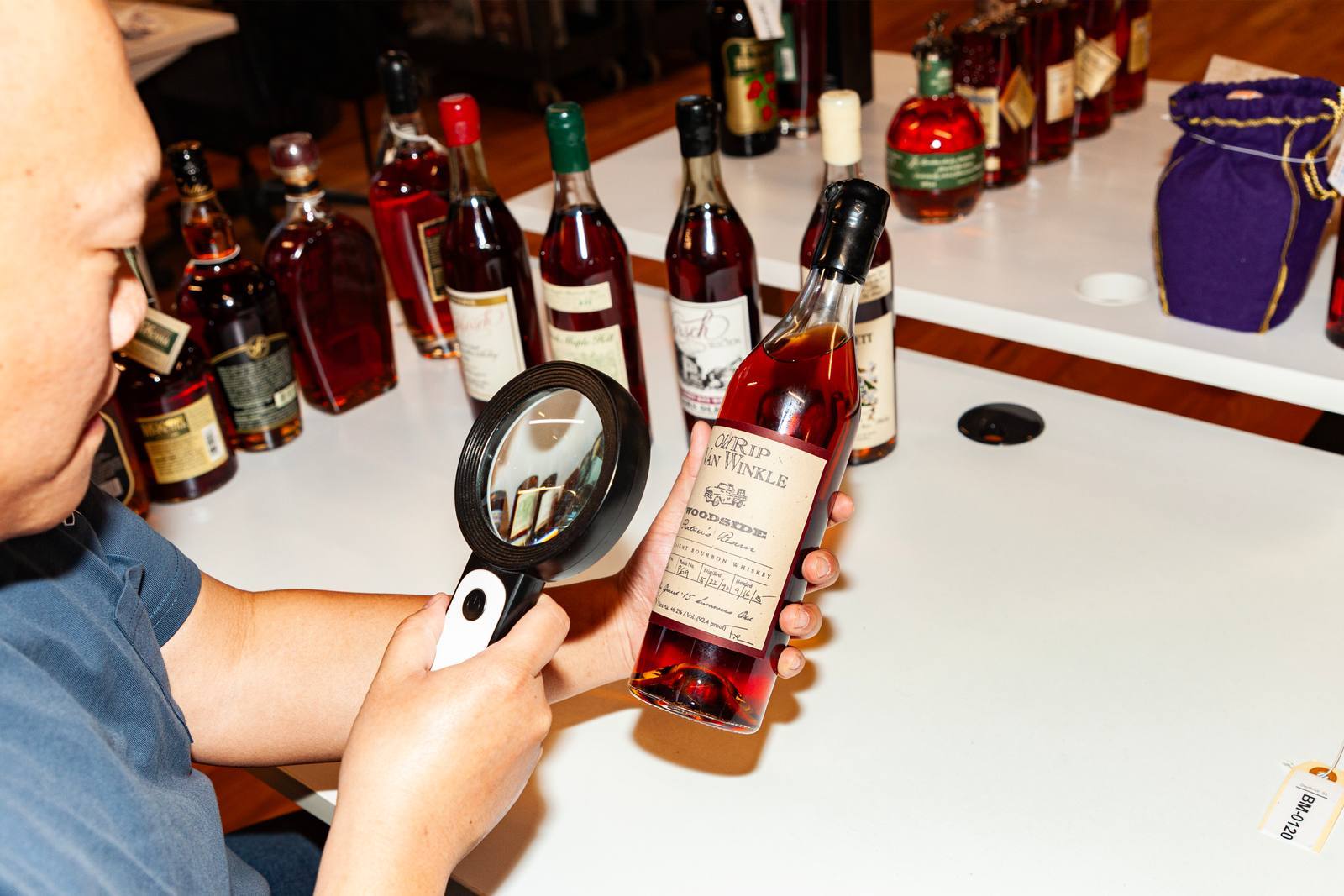
With whisky, you are buying the bottle's history as much as its contents. The auction houses publish condition reports and provenance notes: where the bottle has been stored, whether the fill level, label, and capsule are as expected, whether the lot comes from a known collection. Read them. For high-value lots, the houses will answer questions before the sale, and the serious bidders ask them: storage conditions, purchase history, any restoration to the label or capsule.
The Karuizawa market is the cautionary tale and the gold standard at once. The record results of 2026 were all for bottles and casks with airtight provenance: distillery-numbered casks, documented ownership chains, bottles from the distillery's own remaining stock. The premium for certainty is real, and it is rational. A rare bottle with a gap in its history is not a bargain. It is a question mark with a price tag.
Understand the sale format. Live sales reward speed and nerve; online and timed sales reward patience and a willingness to bid in the final minutes. Absentee bids let you set a maximum and walk away, which is often the wisest way to buy. Check the payment terms: Christie's standard conditions require payment within seven days and collection shortly after, with storage charges accruing on uncollected lots. Factor in shipping, especially across borders, where duty and excise can dwarf the premium.
Finally, know what you are not buying. Auction estimates are opinions, not valuations, and past results are not promises. The lots that set records in 2026, the Karuizawa casks, the One of One charity bottles, were outliers by definition. Buy the bottle you want to own, at a price you have calculated, with provenance you have checked. The paddle is the easy part. The ledger is the work.
And keep one last line in the ledger: the cost of getting the bottle home. Insure the shipment, confirm who bears the risk in transit, and understand that a bottle bought in one jurisdiction and stored in another can attract duty the second time it moves. The professionals price all of it before they bid. That is what makes them professionals.