Collecting
A new quarterly benchmark for the whisky auction market, built on public saleroom results only. Here is the methodology, the first dataset, and every limitation we know about.
The whisky auction market runs on anecdotes. A record here, a soft result there, and a trade full of opinions about what it all means. The Cask Index is our attempt to replace some of those opinions with arithmetic: a quarterly benchmark built exclusively from public saleroom results, published with its methodology and its limitations in the open. This is the first reading. It is a baseline, not a verdict.
The Index tracks hammer prices achieved for whisky lots at public international auctions, reported by the houses themselves. The rules are deliberately conservative. Only public saleroom results are included: no private sales, no dealer asking prices, no estimates. Hammer prices only, never premium-inclusive totals, so that results are comparable across houses with different fee structures. Currencies are kept separate; where conversion is shown, the rate source and date are stated alongside. Bottles and casks are tracked as separate series, because a cask is a different asset from a bottle.
Charity lots are excluded. The Distillers One of One sale of October 2025 raised £2.9 million for the Youth Action Fund, a magnificent result and a useless comparable: philanthropic bidding does not reflect market pricing. Mixed-category totals are excluded for the same reason: Sotheby's Nightcap series totaled US$14.3 million across five auctions in September 2026, but most of that was wine, so only the spirits sale's US$2.9 million enters the dataset. The Index measures the whisky market, not the evening's catering.
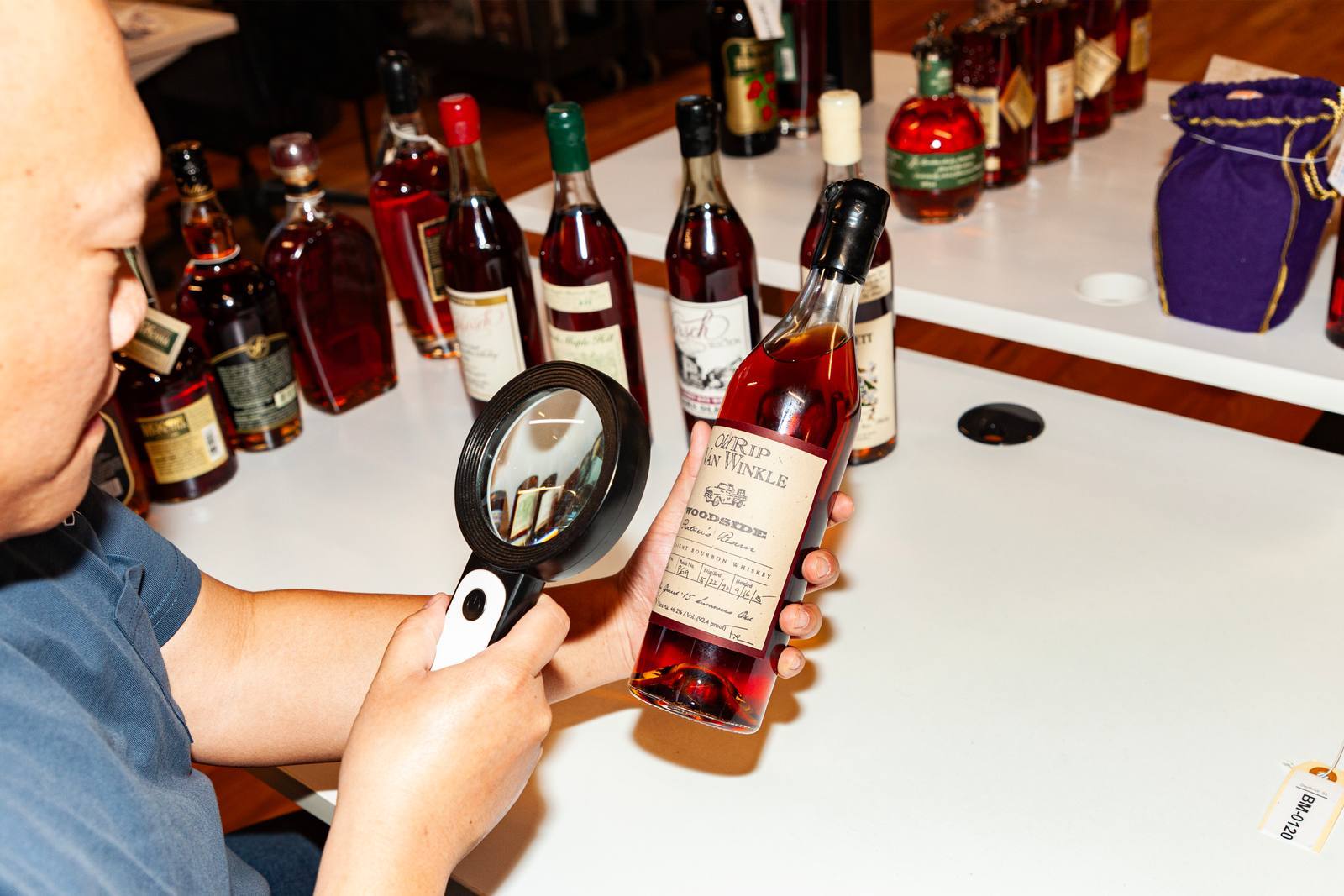
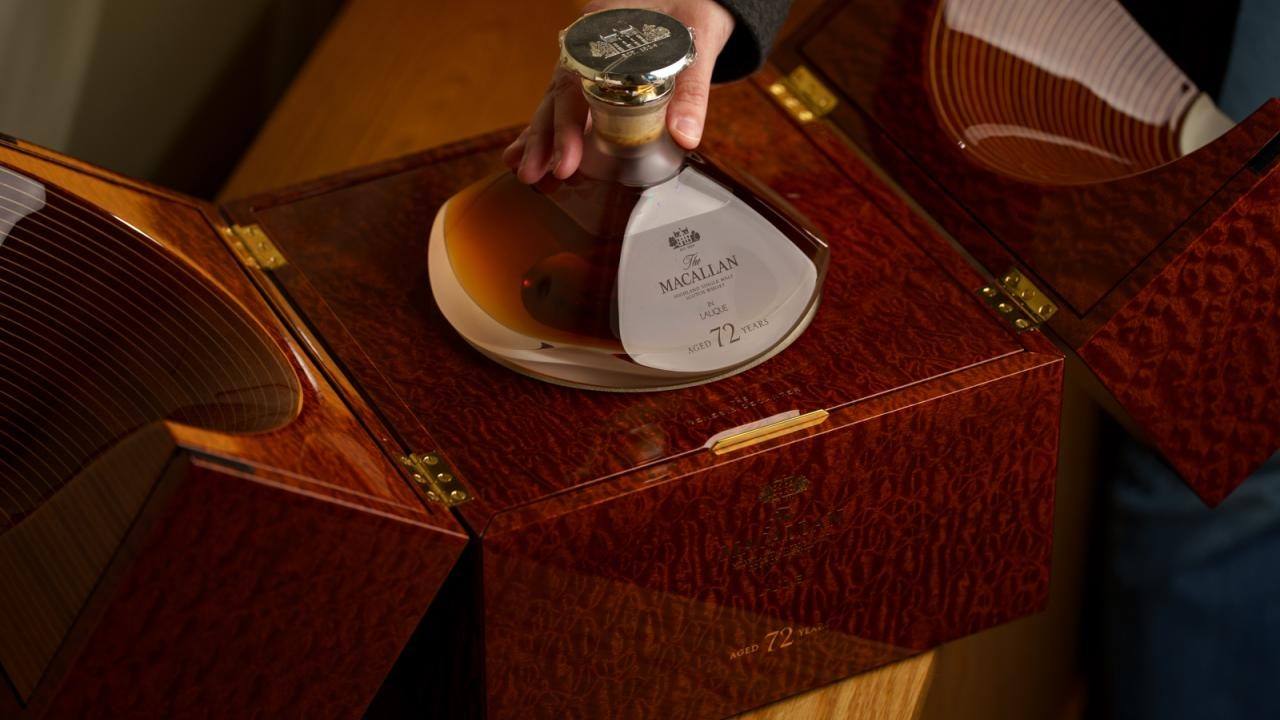
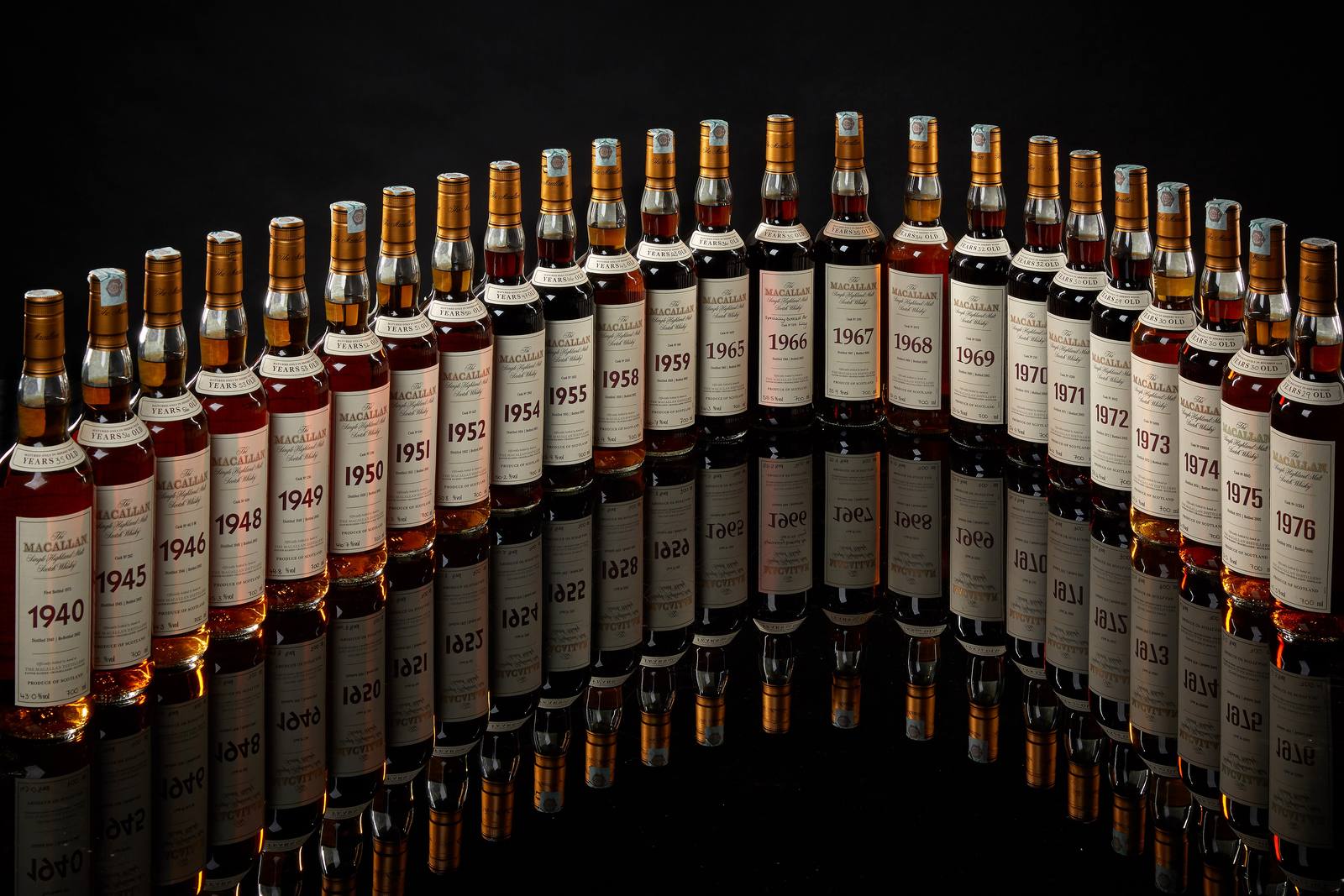
The baseline basket for the first reading comprises the marquee public whisky results of the 2026 auction year, stated as reported. From Christie's, 10 March 2026: Karuizawa cask #6195, £2.125 million including premium; Karuizawa cask #888, £2.125 million including premium, both noted as premium-inclusive because the house reported them that way. From Sotheby's spirits sale, September 2026: Karuizawa 1960 Cask #5627 “The Prototype,” US$625,000; Karuizawa 1970 Cask #6017, US$68,750; The Macallan Select Reserve 52 Year Old 1946, US$27,500.
That is the dataset in full, and its thinness is the point of publishing it. Five lots do not make an index. They make a ledger. The Index will begin publishing movement readings only when the basket holds enough repeat-sale pairs, the same or directly comparable lots selling at different dates, to distinguish market movement from lot variation. Until then, each quarterly reading adds to the public ledger and says so.
Five lots do not make an index. They make a ledger, and we are publishing it as one.
Every limitation we know about, stated plainly. Survivorship bias: the houses publicize their best results, and the Index can only track what is published. Selection bias: trophy lots dominate the headlines while the middle of the market, where most collecting happens, is thinly reported. Provenance and condition vary lot to lot, so two bottles of the same whisky are not the same data point. Small samples: a quarterly reading built on a handful of marquee lots cannot support claims about the whole market. And the top end of the whisky market, as the 2026 results show, behaves like a different economy from the retail shelf; the Index measures the saleroom, not the high street.
The Cask Index will be updated quarterly, with the dataset, the exchange rates, and the exclusions published every time. The next reading adds the autumn saleroom season to the ledger: more lots, more repeat-sale pairs, and the first chance to test whether the baseline moves. A benchmark is only as honest as its methodology section. This one starts with the ledger, the rules, and the warning label. The numbers come next, and they will be checked before they are celebrated.