Collecting
Karuizawa casks at £4.25 million, a record charity sale, and a Sotheby's series that proved Japanese whisky still commands the room. What twelve months of saleroom results actually show.
The whisky auction market in 2026 belonged, to an almost embarrassing degree, to one closed distillery. Karuizawa, the Japanese distillery that shut its doors in 2000, produced the year's two biggest results, its casks and its bottles both setting the pace. But the full auction year, measured from autumn 2025 through September 2026, tells a more textured story: charity lots breaking records, a Sotheby's series going the distance, and a market that rewards rarity while the broader whisky trade struggles.
On 10 March 2026, Christie's sold two Karuizawa casks, numbers 6195 and 888, each distilled in 1999 and each expected to yield around 420 bottles, for £2.125 million apiece. The combined £4.25 million, hammer price plus buyer's premium, set a record for Christie's Wine & Spirits department. The consignor was Sukhinder Singh, the whisky specialist who had bought the casks years earlier, and the result confirmed what the trade had suspected: at the very top of the market, Japanese whisky has no real competition.
The cask format matters. A cask is not a bottle; it is 420 bottles and a decision. The buyer takes on bottling, labeling, and the years of remaining maturation. That two bidders would pay £2.125 million each for that responsibility says something about where the smart money thinks the Karuizawa name is going. It is not going down.
The comparison point for everything in 2026 is the Distillers One of One auction of 10 October 2025, and the date matters: this was last year's sale, not this year's, but it set the bar the 2026 results are measured against. Thirty-nine lots from 35 Scotch whisky companies and distilleries raised £2,895,902 including premium, against a £2,316,722 hammer total, with a reported 30 auction records. The Glenlivet's Spira, a 60-year-old single cask, sold for £650,000. Port Ellen's Prism reached £375,000. All hammer proceeds went to the Youth Action Fund. Charity auctions are not normal market comparables, the bidding reflects philanthropy as well as desire, but as a measure of what the rarest Scotch can command in a room, it stands alone.
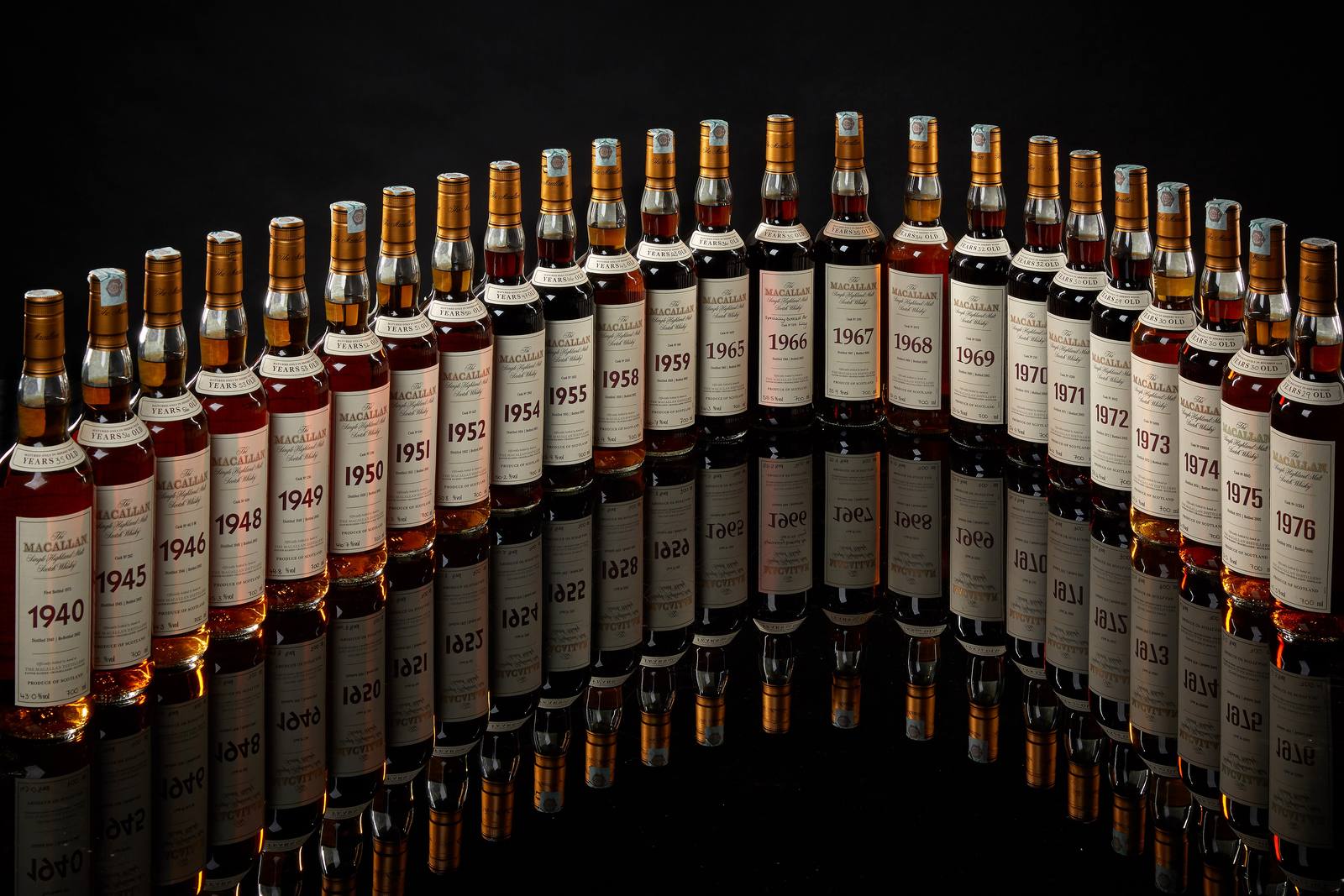
Sotheby's closed its five-auction Nightcap series in September 2026 with a total of US$14.3 million, but the honest reading requires the breakdown: most of that was wine. The spirits-specific sale, more than 500 bottles with a 100 percent sell-through rate, totaled US$2.9 million. The top lot was Karuizawa again: the 1960 Cask #5627, dubbed “The Prototype,” at US$625,000, followed by the Karuizawa 1970 Cask #6017 at US$68,750. The Macallan's Select Reserve, a 52-year-old from 1946, made US$27,500. Jonny Fowle, Sotheby's head of whisky, noted that the market was rewarding the genuinely rare while the merely expensive sat still.
At the very top of the market, Japanese whisky has no real competition.
Three patterns emerge. First, the trophy market is healthy: the best bottles and casks continue to set records, and sell-through rates at the top houses remain strong. Second, provenance is the currency. The Karuizawa results, the One of One records, the Nightcap sell-through: all of them reward bottles with airtight stories and punish the generic. Third, the auction room is diverging from the retail market. While Scotch distilleries pause production and the trade talks of oversupply, the saleroom's top end behaves like a different economy entirely. It is. The people bidding £2 million for a cask are not the people deciding whether to open a £50 bottle on Friday. The 2026 auction year proved the top of the market has its own weather. Everything below it is still waiting for the forecast to clear.