RUM
The Independent Bottlers Teaching Rum to Tell the Truth
Distillery, still, cask, age: the details conventional labels omit. A small group of bottlers is dragging rum into the light.
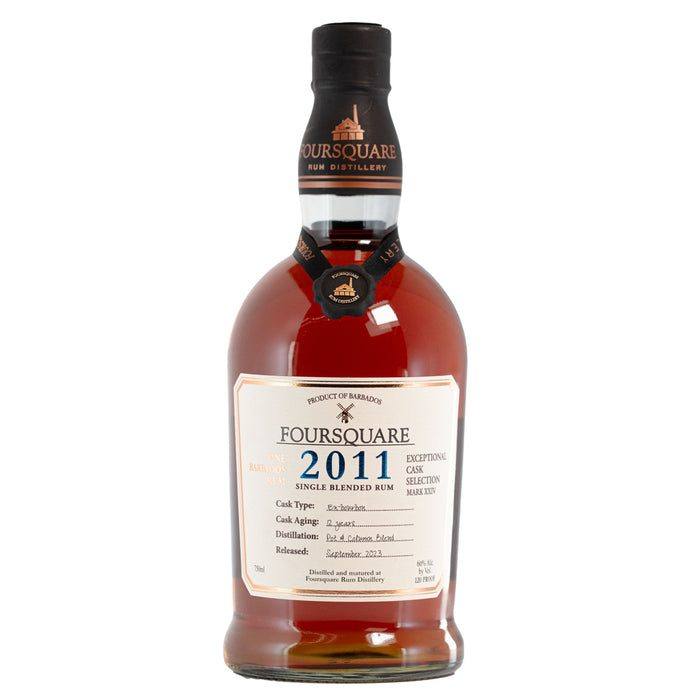
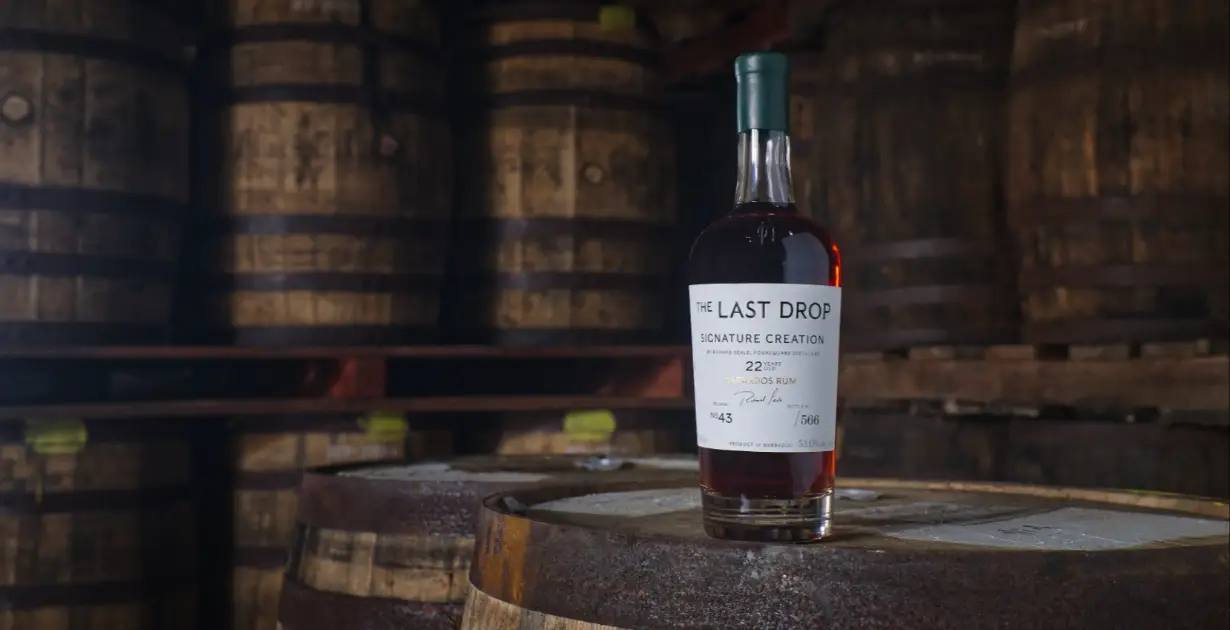
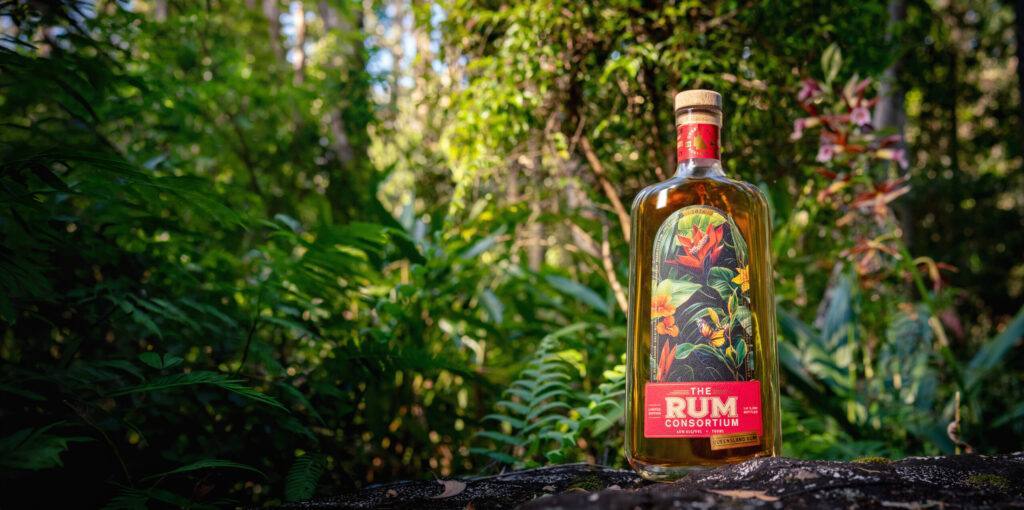
Whisky drinkers take label transparency for granted: distillery, age, cask type, bottling strength. Rum drinkers, historically, got a brand name and a story. The independent bottlers, a small but influential group of companies that buy casks from distilleries and bottle them under their own labels, have spent the past decade changing that. Their labels read like whisky labels: distillery of origin, still type, fermentation details, cask history, age, maturation location, bottling strength. In a category with no single rulebook, they have become the rulebook's substitute.
What Transparency Looks Like
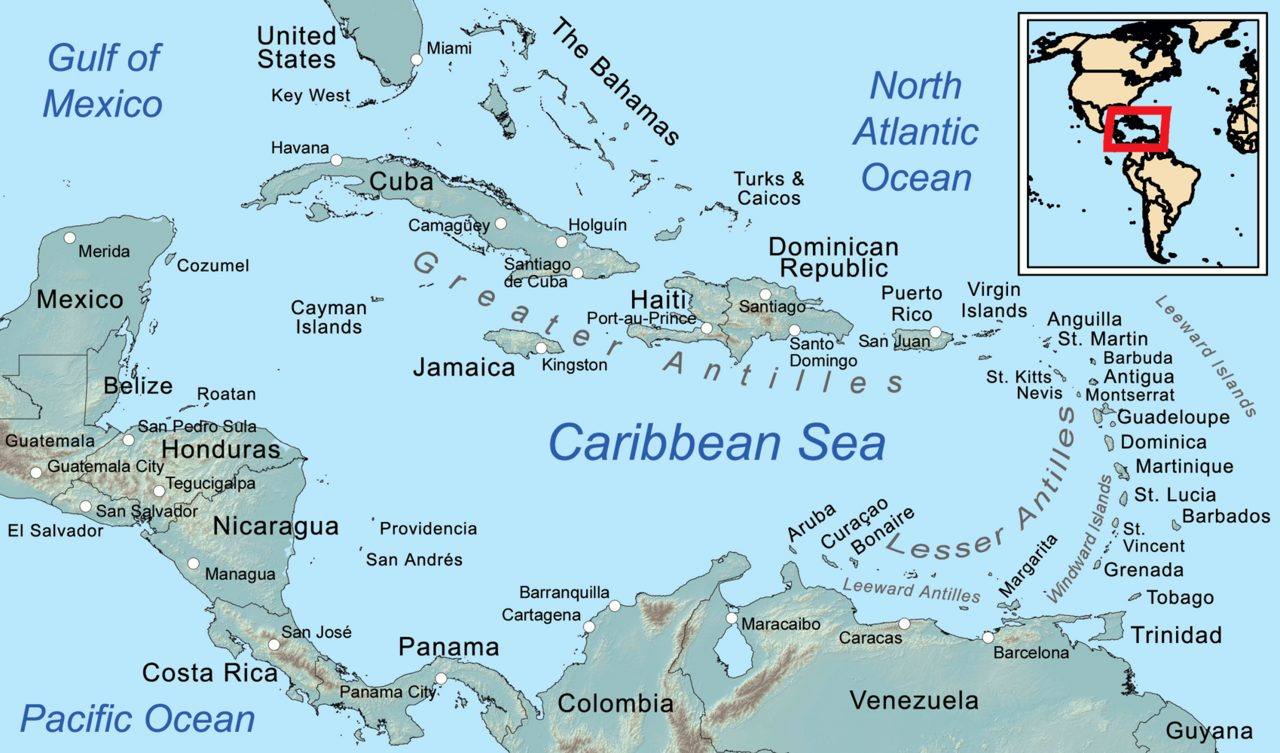
The model is straightforward. An independent bottler selects casks from a distillery, often in the Caribbean, sometimes ages them further in Europe, and bottles them with full disclosure of what is inside. The Spirits Business, surveying the segment in 2024, noted that bottlers such as Holmes Cay, Single Barrel Selection, and Habitation Velier have brought distilleries like Long Pond and New Yarmouth in Jamaica to the attention of collectors who had never seen those names on a label before. The distilleries were always there. The bottlers made them visible.
The disclosure matters because conventional rum labels so often obscure. A brand may blend rums from several countries, age them in several climates, and present the result under a single evocative name with an age statement of uncertain meaning. An independent bottling of the same distillate will tell you the distillery, the still, the year of distillation, the cask type, and where it matured. The contrast is the education: once you have read one honest label, the vague ones start to look evasive.
The Limits of the Model
Transparency is not universal among independent bottlers, and it would be a mistake to treat the category as uniformly virtuous. Some bottlers disclose less than others. Trademark agreements can prevent a bottler from naming the distillery, in which case the label carries a coded hint or nothing at all. Tropical versus continental aging, the question of where the cask spent its years, changes the character of the rum significantly, and not every label addresses it clearly. And independence is no guarantee of quality: a bad cask bottled transparently is still a bad cask.
There is also a selection bias worth naming. Independent bottlers choose casks they believe will sell, which means the segment overrepresents the unusual: high-ester Jamaican marks, old Demerara stills, agricoles with pedigree. The everyday rum of the Caribbean, the blends that fill the local bars, rarely gets the single-cask treatment. The bottlers show you the peaks, not the plateau.
The economics of the segment explain both its virtues and its limits. Single-cask bottlings are inherently small, often a few hundred bottles, which means the bottler's business depends on scarcity pricing and collector demand. That model rewards the unusual and the old, and it cannot scale to the everyday. Transparency, in other words, is currently a luxury product. The question is whether its standards migrate downmarket, where most rum is actually sold.
Once you have read one honest label, the vague ones start to look evasive. The bottlers made invisible distilleries visible.
Why It Matters for the Whole Category
The independent bottlers' real influence is not on their own sales, which remain a niche, but on the pressure they create. Every fully disclosed bottling raises the bar for what a rum label can say, and makes the big brands' reticence more conspicuous. The segment has trained a generation of rum drinkers to ask questions, distillery, still, age, that the mainstream category spent decades avoiding.
Rum will never have Scotch's single rulebook. But it may not need one. Between Martinique's AOC, Jamaica's ester marks, and the independent bottlers' disclosures, the category is assembling a transparency infrastructure from the bottom up. The bottlers did not wait for regulation. They just started printing the truth, and dared everyone else to keep up.
From the same shelf