RUM
Premium Rum Is Growing. The Base Is Shrinking.
Super-premium-plus value rose 5.5 percent globally. Value-tier volume fell from 52 to 42 percent of the US market. Both things are true.
Rum has a premiumization story, and it is real. It is also narrow. IWSR data cited by Brugal's maestra ronera showed super-premium-plus rum value growing 5.5 percent globally in 2024, and The Spirits Business's 2025 World Spirits Report on rum documented the structural shift underneath: in the United States, value-tier rum's share of volume fell from 52 percent in 2019 to 42 percent in 2024, while premium-and-above inched from 6 percent to 7 percent. Read those numbers together and the story sharpens: the bottom is eroding faster than the top is growing.
As with all market-research figures, these are reported estimates from industry data providers, not audited certainties. They are directionally consistent across sources, which is what makes them worth taking seriously.
Where the Growth Is
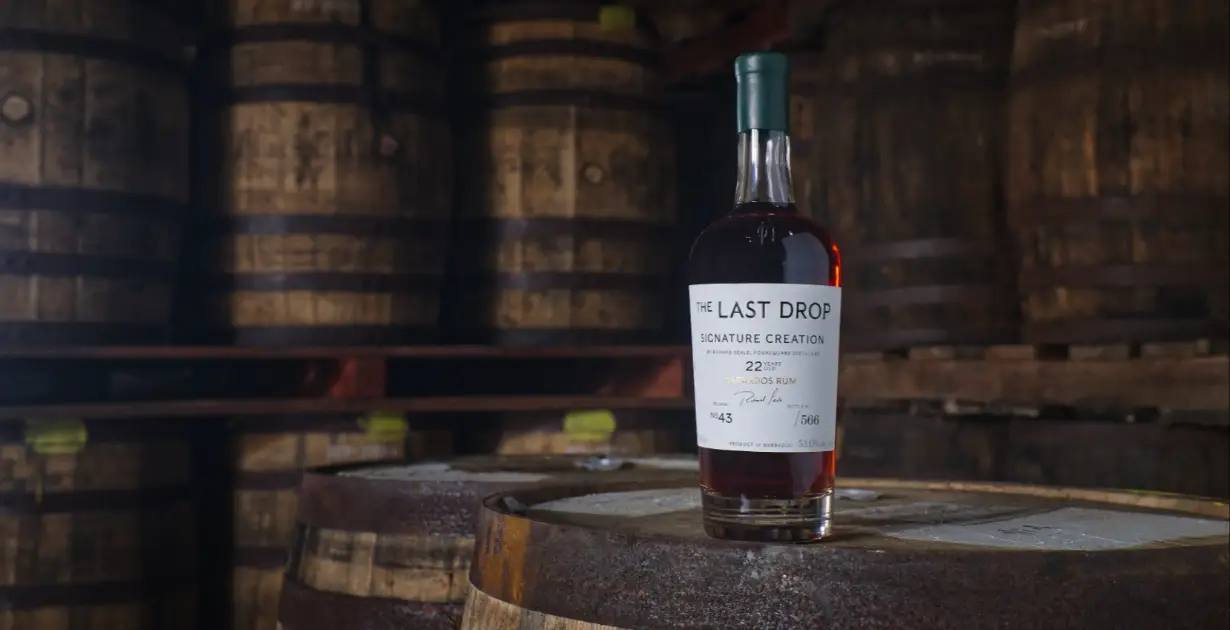
The premium growth is concentrated where rum has always had credibility: aged expressions with verifiable provenance, agricole rhums with appellation discipline, and the independent-bottler segment that has taught collectors to read a label like a whisky drinker reads one. The 5.5 percent global value growth in super-premium-plus is a value figure, not a volume figure, which means it reflects drinkers paying more per bottle as much as it reflects more bottles sold. That is premiumization in its purest form: the same drinker, trading up.
The American numbers tell the fuller story. A ten-point volume share loss for value-tier rum in five years is a collapse of the category's historical base: the mixing rums, the handle bottles, the well spirits. Some of that volume migrated upward into standard premium. Some of it left the category entirely, lost to tequila, to ready-to-drink cocktails, to the broader spirits slowdown. The premium-and-above segment's gain, from 6 to 7 percent, absorbed only a fraction of what the value tier shed.
The Structural Problem
This is rum's version of a problem the whole spirits industry recognizes: premiumization without recruitment. The category is getting more expensive at the top while losing drinkers at the bottom, and the top is not growing fast enough to replace them. A rum industry that sells fewer bottles at higher prices can be profitable for a time, but it is a smaller industry, and smaller industries have less shelf space, less bartender mindshare, and less cultural presence.
The contrast with tequila is instructive. Tequila premiumized by recruiting new drinkers into the category at every price point: the value tier stayed culturally relevant even as the premium tier exploded. Rum's value tier, by contrast, has been allowed to become invisible, a commodity mixer with no story. When the bottom of the category has no story, the category has no pipeline.
The value-versus-volume distinction deserves emphasis, because it is where the story gets misread. Super-premium-plus growing 5.5 percent in value while premium-and-above gains a single point of volume share means the growth is concentrated in fewer, more expensive bottles bought by fewer drinkers. That is a healthy trade for the producers earning it. It is not evidence of a category expanding its audience.
What Would Fix It
The fix is not cheaper premium rum. It is a value tier worth caring about: white rums with character, aged blends with honest age statements, agricole blancs with appellation credibility, all priced for the well and the home bar. The category's most interesting producers already make these bottles. What they lack is the marketing investment and the trade attention that the premium segment absorbs.
The 5.5 percent growth figure is genuinely good news, and the producers earning it deserve credit. But a category cannot premiumize its way out of a shrinking base. Rum's next decade will be decided not by how expensive the top gets, but by whether the bottom becomes interesting again. The data says the clock is ticking.
From the same shelf