RUM
Rum Has No Single Definition. That Is the Definition.
Martinique's AOC is law. Barbados's GI was a proposal. Everywhere else is custom. Why the world's most diverse spirit resists one rulebook.
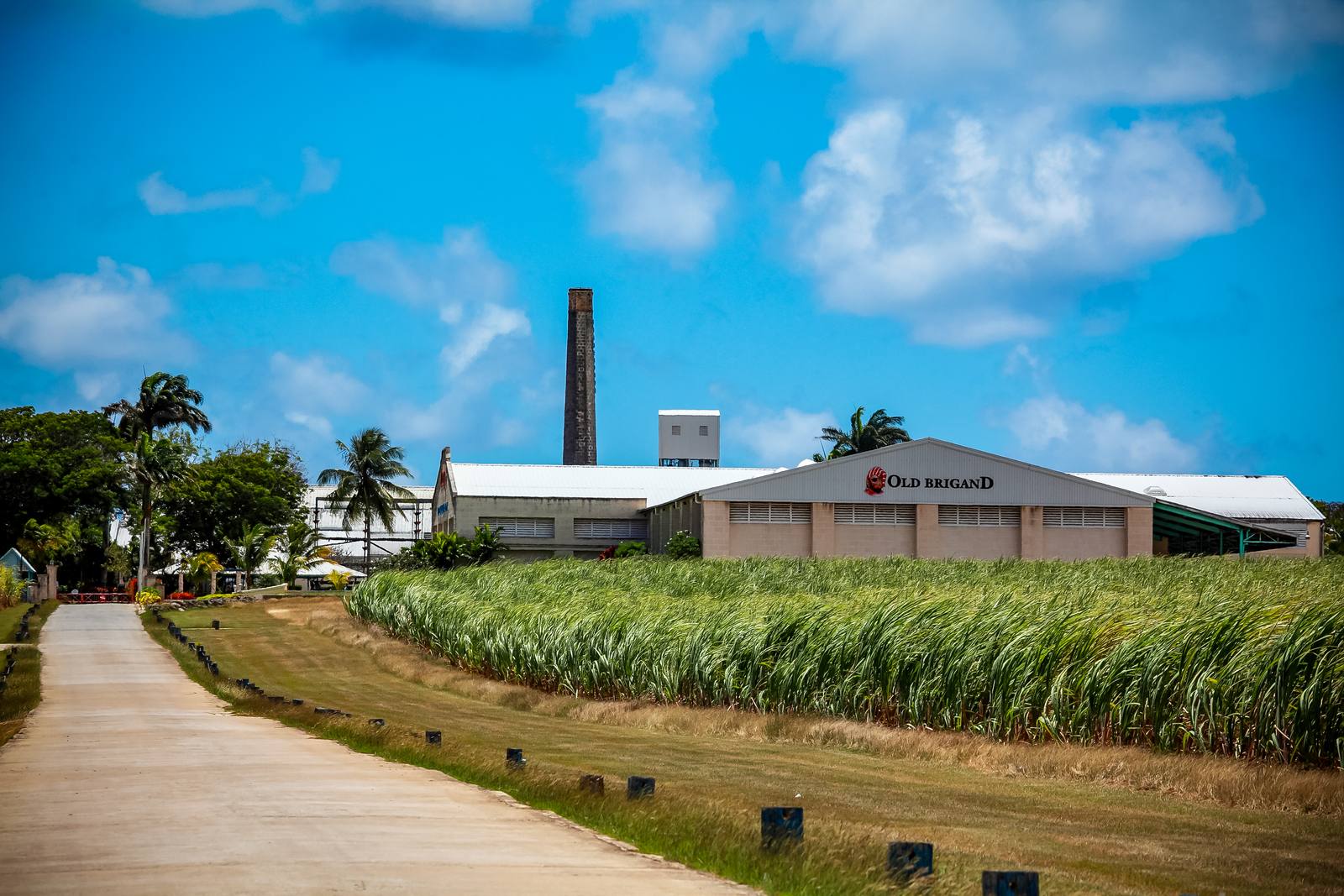
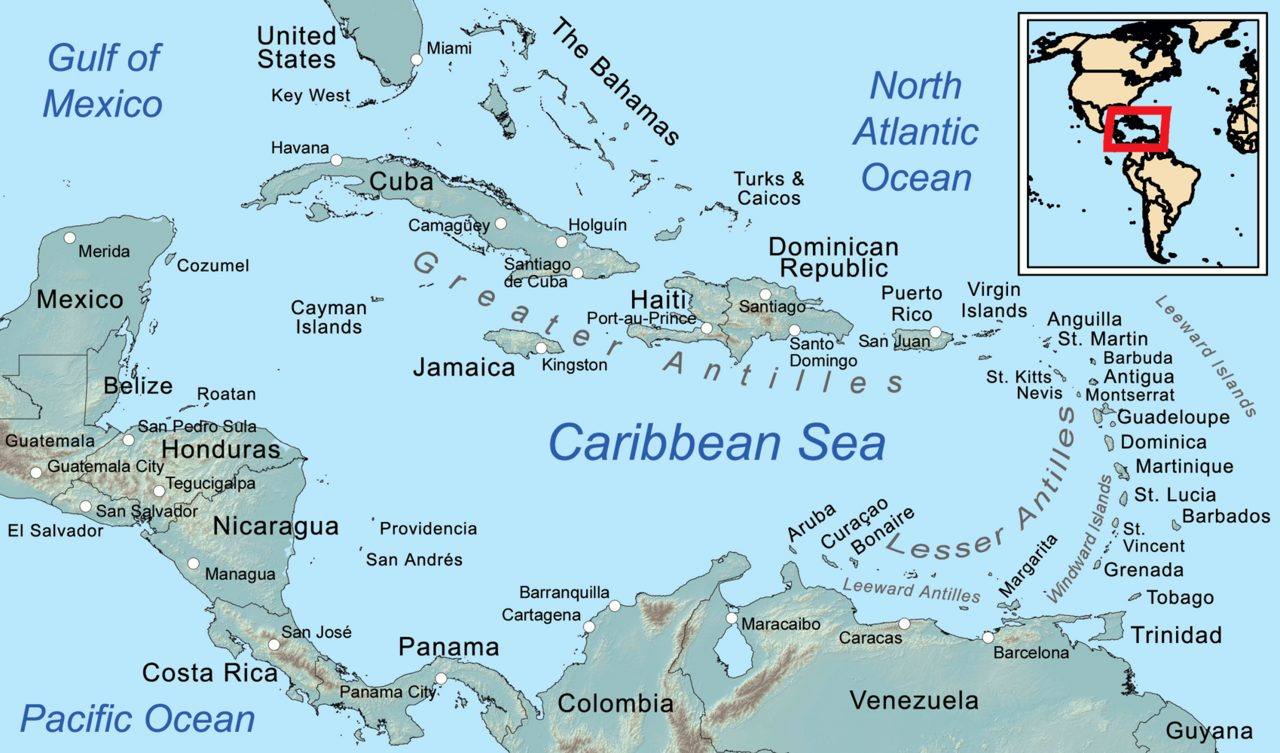
Ask what Scotch whisky is and the law answers in one paragraph. Ask what rum is and the answer depends on where you are standing. Rum is the world's most geographically dispersed major spirit, made in dozens of countries under dozens of different rules, and there is no worldwide production definition comparable to the Scotch Whisky Regulations or the Cognac appellation. That is not a failure of organization. It is the category's nature, and understanding it is the key to reading any rum label.
Martinique: The Exception That Proves the Rule
The strictest rum rules in the world are on Martinique. The island's Appellation d'Origine Contrôlée for rhum agricole came into force in 1996 and applies exclusively to agricultural rum, distilled from fresh sugar cane juice rather than molasses. The AOC regulates cane origin, cutting dates, fermentation, distillation, resting, and maturation in detail: distillation is restricted to between 65 and 75 percent ABV, fermentation may not exceed 120 hours, and the fermented juice may not exceed 7.5 percent ABV. White rum must rest for six weeks; oak-aged rum requires at least 12 months in oak; the age grades run from VO at three years through VSOP at four to XO at six.
This is a genuine appellation, with legal force, and it produces some of the most distinctive rum in the world. It is also, by the standards of the global rum trade, a rounding error. The vast majority of the world's rum is molasses-based and made far from Martinique, under rules that are looser, younger, or nonexistent.
Barbados: The Proposal That Wasn't
Barbados illustrates the opposite case. In 2020, the island's rum producers debated a geographical indication proposal that would have required Barbados rum to be distilled on the island with Barbadian water, mandated that age statements reflect the youngest spirit, and prohibited sugar syrup and flavourings while allowing tightly controlled caramel colouring. It was a serious, detailed proposal, and it was never enacted. It remains a proposal, not law.
The distinction matters because the proposal is sometimes cited as if it were regulation. It is not. Barbados rum today is defined by the producers' practices and by export-market rules, not by a domestic GI with legal force. The island's great distilleries, Mount Gay chief among them, operate to high standards by choice and reputation, not by statute. That is admirable, and it is not the same as law.
Everywhere Else: Custom and Commerce
Outside the French appellations, rum regulation is a patchwork. Jamaica's rules are among the more distinctive, with legally defined high-ester marks that shape the island's famously pungent style. Guyana, Trinidad, Venezuela, Guatemala, and the Dominican Republic each have their own frameworks, of varying strictness and varying enforcement. Many rum-producing countries have no production definition at all beyond excise categories: rum is whatever the distiller ferments from cane derivatives and distills.
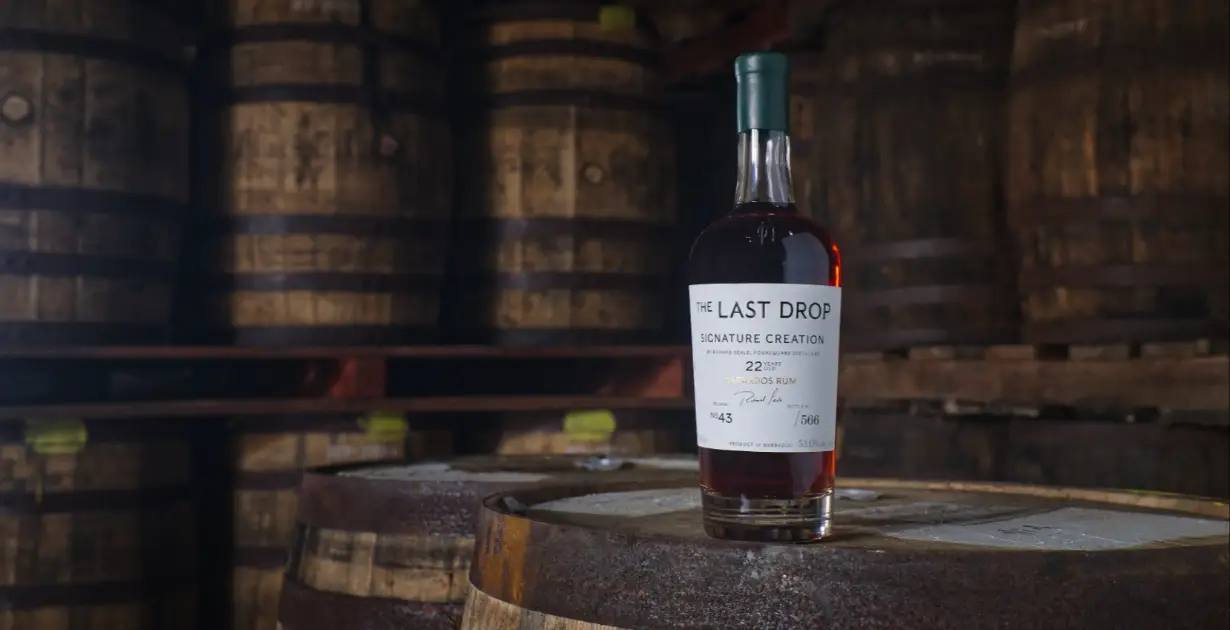
This is why rum labels demand more literacy than any other spirit's. An age statement on a rum bottle may follow the youngest-component rule, or it may be a solera-style average, or it may be marketing. "Single estate" may mean one distillery or one island. The only defense is knowledge of the specific origin's rules, which is why the independent bottlers, with their distillery-by-distillery disclosures, have become the category's educators of last resort.
The dream of a single global rum definition surfaces every few years and fades every time, because the category's diversity is not a bug. A spirit made from fresh cane juice in Martinique, from molasses in Jamaica, and from cane honey in Barbados has less in common than three whiskies from three Speyside distilleries. One rulebook would either be meaningless or exclusionary. Rum's definition is that it has definitions, plural, and the drinker's job is to learn which one applies to the bottle in hand.
From the same shelf