AGAVE
California Grows Agave
A state law set the machinery for a California Agave Commission in motion. The industry cannot agree whether it wants one.
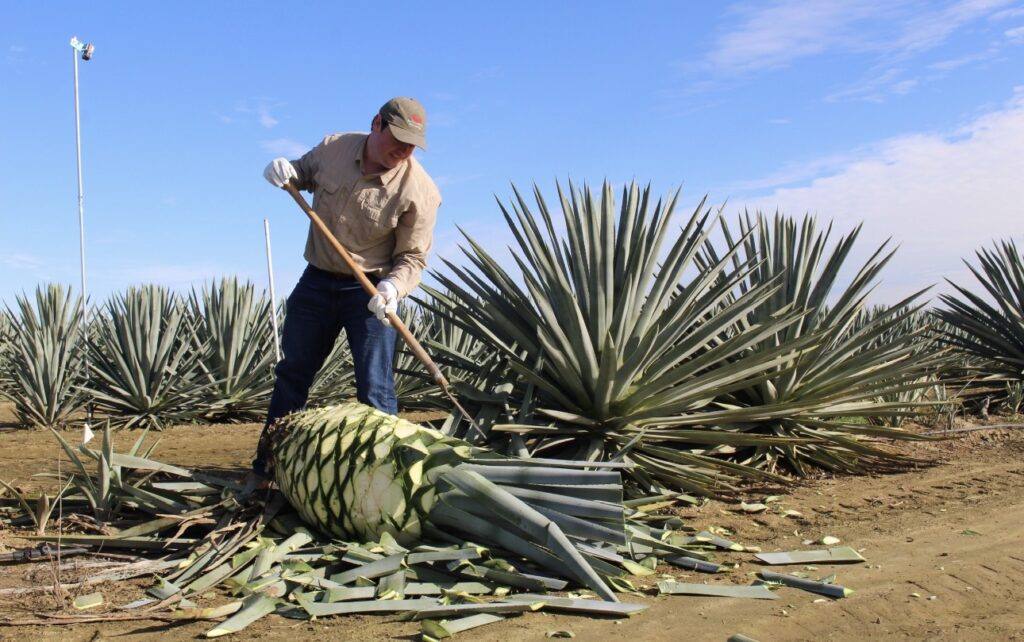
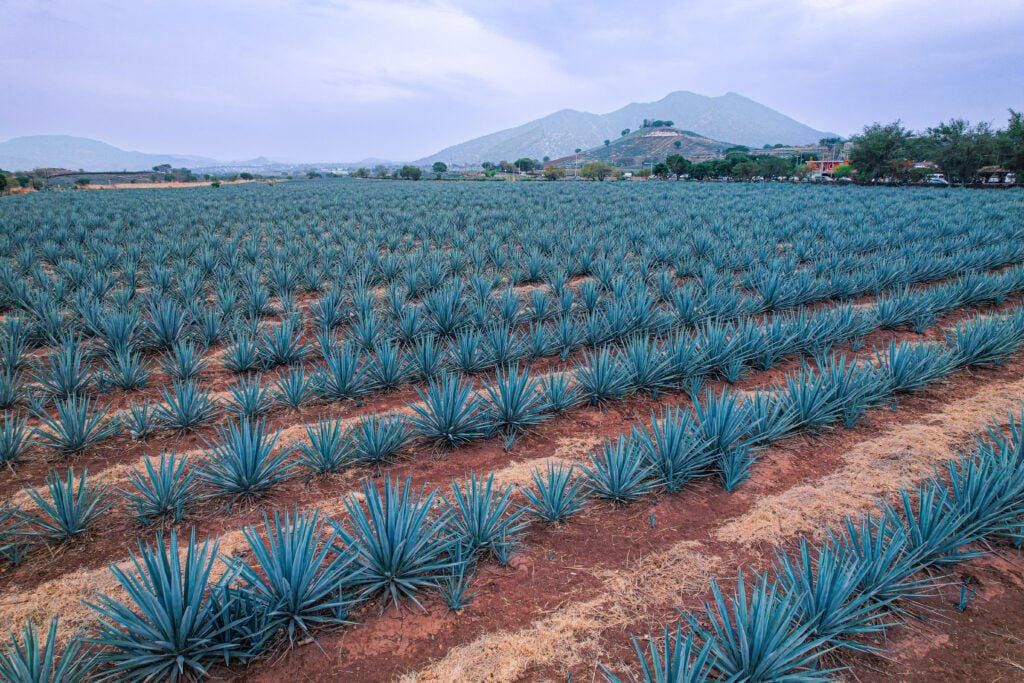
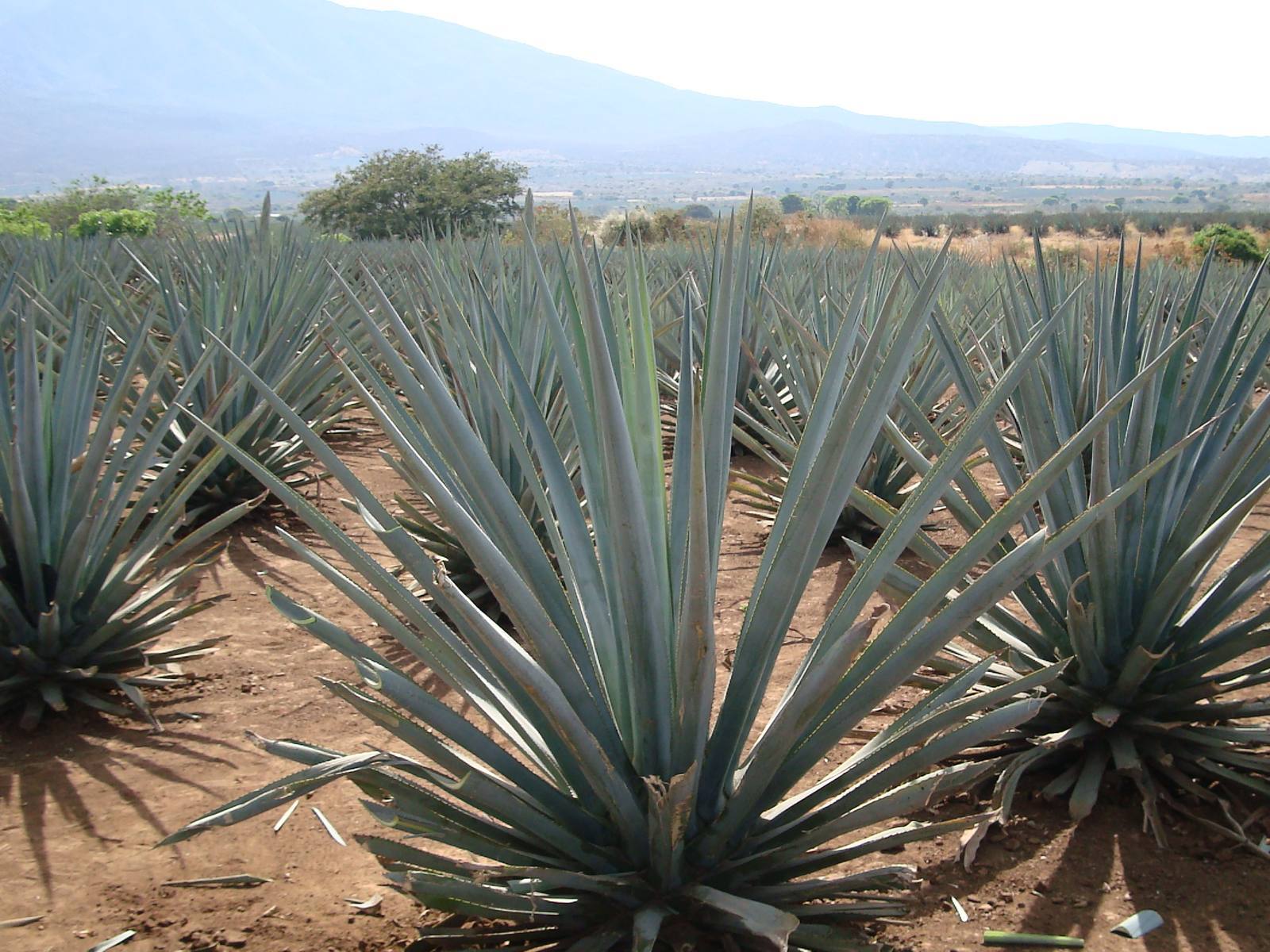
Agave now grows in California, and that sentence would have sounded like a joke twenty years ago. The succulent that built tequila is a drought-tolerant crop, which makes it interesting to a state permanently negotiating with water. Farmers from the Central Valley to Southern California are planting it. Distillers are fermenting it. And Sacramento has noticed: Assembly Bill 2606, authored by Assembly Majority Leader Cecilia Aguiar-Curry and passed in the 2023-24 session, set in motion the process that could create a California Agave Commission, with the power to levy assessments on growers and processors to fund research, education, and marketing.
Could. That word is doing the heavy lifting. AB 2606 does not switch a commission on. It created the statutory framework for one, and only if growers and distillers vote to approve it in a referendum overseen by the California Department of Food and Agriculture. No referendum had been scheduled as of September 2026, which is the honest position to report: the law exists, the vote does not yet.
What the commission would do
The model is familiar. California agriculture runs on commodity commissions: avocados, almonds, wine grapes all have bodies that pool grower money for collective research and promotion. Under AB 2606, a California Agave Commission would have the authority to levy assessments and impose penalties on growers and processors, coordinate research, and promote the industry, with a specific focus on agave cultivation for alcoholic beverages. Every current and future grower and processor would be required to register and pay.
That last sentence is where the trouble starts. The California Agave Alliance, a collective of industry professionals, opposes the bill's shape: mandatory fees that fall disproportionately on small growers, voting weighted in ways that favor acreage, a narrow focus on alcohol production that sidelines growers raising agave for fiber, sweeteners, or biofuels, and a process they say excluded small farmers from the room where it was written. Their position is not that the industry needs nothing. It is that this particular machine was built by and for the wrong people.
AB 2606 does not create a commission. It creates the framework for one, and only if the industry votes to approve it.
A crop looking for a name
Underneath the politics sits a more basic question: what do you call the stuff? The legal term in California is “California agave spirit,” accurate and protected by state law since 2022, and, as one industry voice admitted at this year's Santa Barbara symposium, “not sexy.” Nobody orders it the way they order a mezcal. Several names have emerged organically from inside the trade; none has won.
The numbers explain both the excitement and the anxiety. In 2024, Mexico exported nearly 300 million bottles of tequila and mezcal while California produced around 3,750, by one industry estimate. But the federal TTB registered 58 American agave spirit labels in 2020 and 143 by 2024, with more than 500 brands now registered nationally. The direction of travel is unmistakable even if the scale is not. For California restaurants committed to local sourcing, a California-grown margarita is, for the first time, actually possible.
What the Council wants from a commission is the standard commodity playbook: pooled assessments funding agronomic research, pest and disease work, and collective marketing that no small grower could afford alone. Agave is a new crop in California, and the knowledge gaps are real: varietal selection for the state's microclimates, irrigation practice, harvest timing. A commission would give the industry a way to pay for that knowledge together. The Alliance's answer is that the industry is not yet big enough, or united enough, to be taxed for it.
The commission fight is really a fight about who gets to steer that growth. The Council wants the pooled resources of a mature commodity industry. The Alliance wants a structure that does not tax the smallest growers to fund it. Both agree the crop is coming. Neither yet agrees on the vehicle. The referendum, when it comes, will be the first honest measurement of how big California agave really is.
From the same shelf