AGAVE
Tequila, Mezcal, and Everything Between: The Agave Map
The permanent explainer: what the labels guarantee, what the NOM numbers mean, and where the rest of Mexico's agave spirits fit.
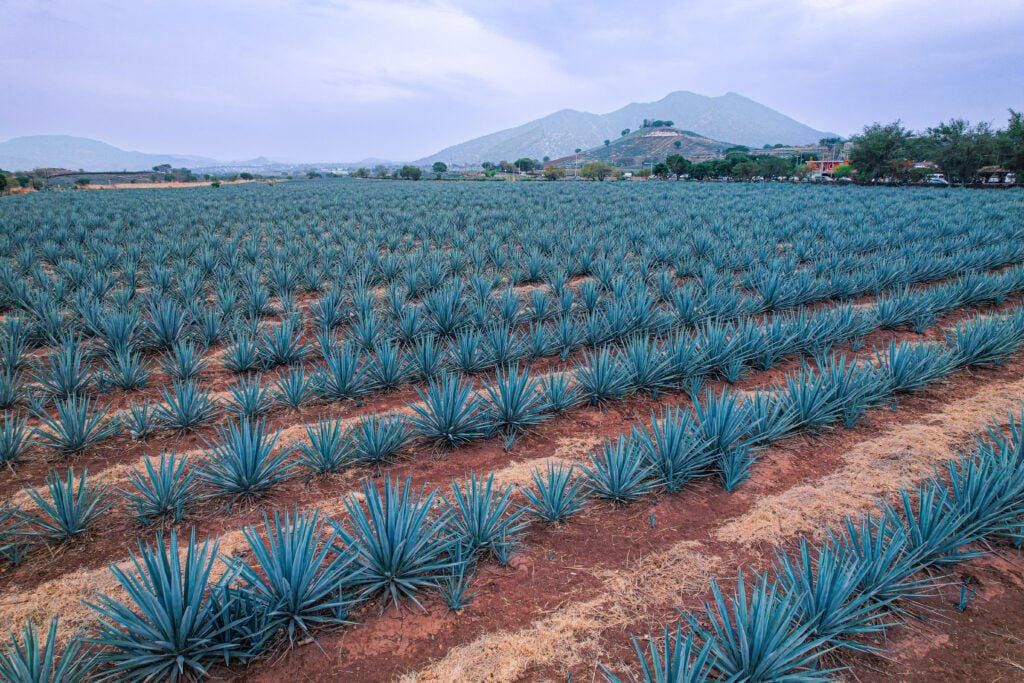
Every bottle of agave spirit carries a map, and the map is drawn in regulations. Mexico's spirits laws are among the strictest in the world: they dictate which plant may be used, where it may be grown, how it may be cooked and distilled, and exactly what the label is allowed to say. Learn to read the map and the shelf arranges itself. Here is the whole territory.
Tequila: one plant, five states, five classes
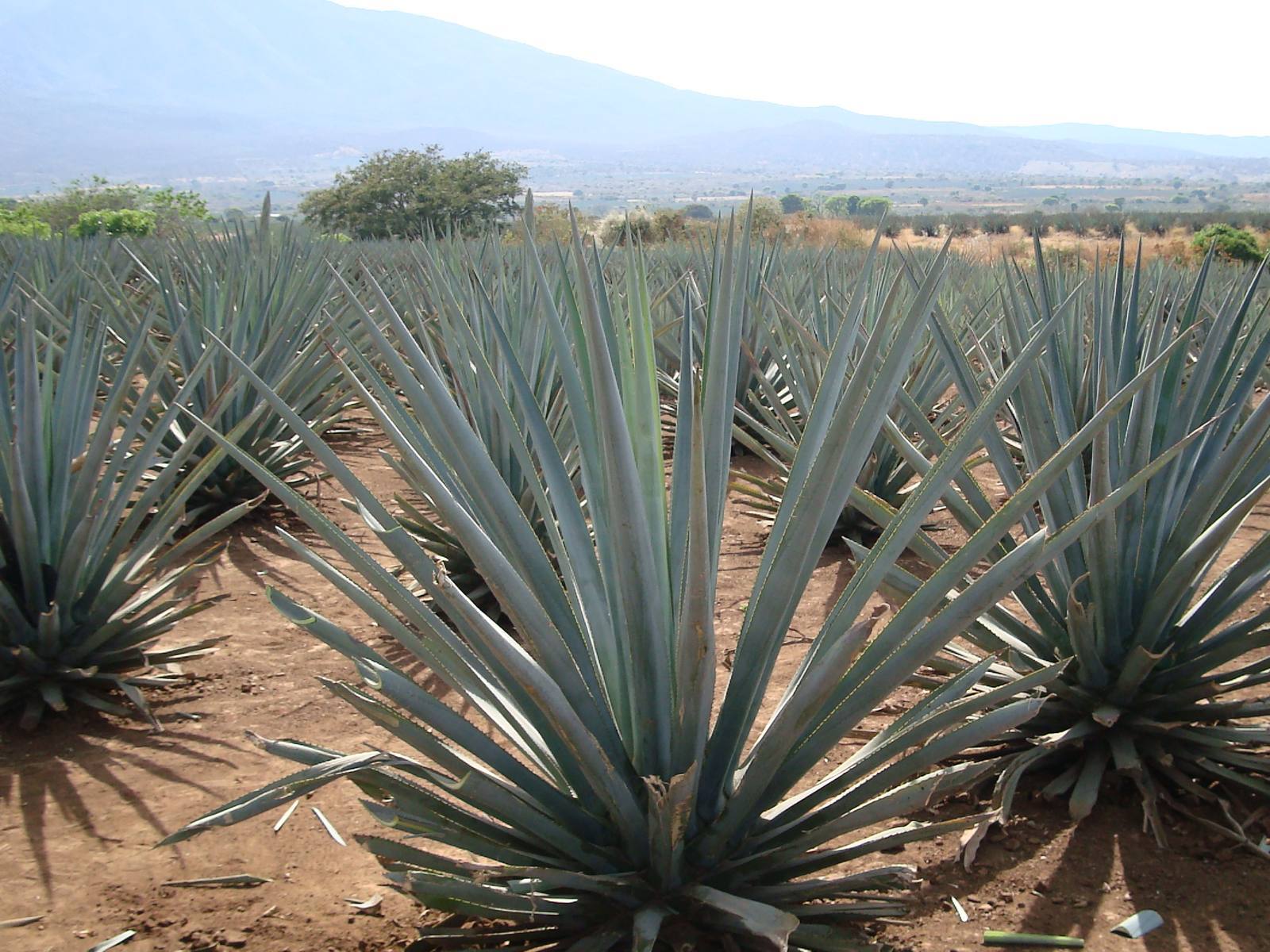
Tequila may be made from one plant only: blue Weber agave, Agave tequilana, grown in the denomination of origin, which covers Jalisco and designated municipalities in Guanajuato, Michoacán, Nayarit, and Tamaulipas. The Consejo Regulador del Tequila, the CRT, polices the whole chain. The four-digit NOM number printed on every bottle is the registration of the distillery that made it: one NOM can sit behind twenty different brands, which is why the number matters more than the name on the front.
The aging classes are fixed by NOM-006. Blanco, also called plata or silver, may rest up to 60 days and is bottled essentially unaged. Reposado, rested, spends two to twelve months in oak. Añejo spends one to three years in oak casks of no more than 600 liters. Extra añejo, created in 2006, spends more than three years in the same size of cask. Joven, or oro, is the outlier: a blend of blanco with aged tequila, or blanco with permitted coloring, which is why a golden bottle tells you nothing about time in wood.
Two phrases decide what is in the bottle. “100% de agave” means every fermentable sugar came from blue agave, and the tequila was bottled at the producer's own plant inside the territory. A bottle that says only “tequila” without the phrase may be a mixto, with up to 49 percent of its sugars from other sources, and it may be bottled abroad. The absence of the phrase is the information.
Mezcal: three types, six classes
Mezcal's law, NOM-070-SCFI-2016, works differently. It defines three types by how the spirit is made. Plain mezcal may be made with modern equipment: autoclaves, mechanical mills, continuous distillation. Mezcal artesanal must follow traditional methods at each stage: pit or masonry ovens, crushing by mallet, tahona, Chilean or Egyptian mill, and distillation over direct fire in copper or clay stills. Mezcal ancestral is stricter still: pit ovens only, the same traditional mills, fermentation that may include the agave fiber, and distillation over direct fire in clay pots with clay or wood condensers. The type on the label is a recipe for the process, written in law.
The six classes describe what happens after distillation. Blanco or joven is unaged and untouched. Reposado rests two to twelve months in wood. Añejo rests more than twelve months in wood. Madurado en vidrio is stabilized in glass for more than twelve months, buried or kept in stable conditions. Abocado con is flavored with regional ingredients. Destilado con is re-distilled with ingredients, the class behind pechuga. Every mezcal must be bottled between 36 and 55 percent ABV, and, as with tequila, the NOM number identifies the palenque.
The NOM number matters more than the name on the front. It is the registration of the distillery that made the bottle.
Everything else
Beyond the two famous names sits a constellation of regional spirits, each with its own denomination of origin. Raicilla comes from Jalisco and Nayarit. Bacanora comes from Sonora. Sotol, made from the desert spoon plant rather than agave, comes from Chihuahua, Coahuila, and Durango. These are the bottles the IEPS tax fight is really about: small, regional, made by hand, and invisible to drinkers who never leave the tequila aisle.
And then there is the legal boundary itself. Agave spirits made outside the denominations of origin cannot use the protected names at all. They are labeled “destilado de agave,” agave distillate: the same plant family, the same craft, a different legal country. Some of the most interesting bottles on the market live in that category. The map has edges, and the edges are where things get interesting.
From the same shelf