AGAVE
The Celebrity Tequila Reckoning
The category's boom years are over. Tequila is slowing, the shelves are crowded with famous names, and the brands that survive will be the ones built on distilling, not distribution.
Tequila's celebrity era is ending the way these things always end: not with a collapse, but with a sorting. The numbers from IWSR's 2026 review are unambiguous. Global tequila volumes grew at 6 percent a year from 2019 to 2025. The forecast through 2030 is 2 percent. In the United States, the world's biggest tequila market, volumes were flat in 2025. The boom has cooled into a normal business, and normal businesses are won on fundamentals, which is where the famous names start to look exposed.
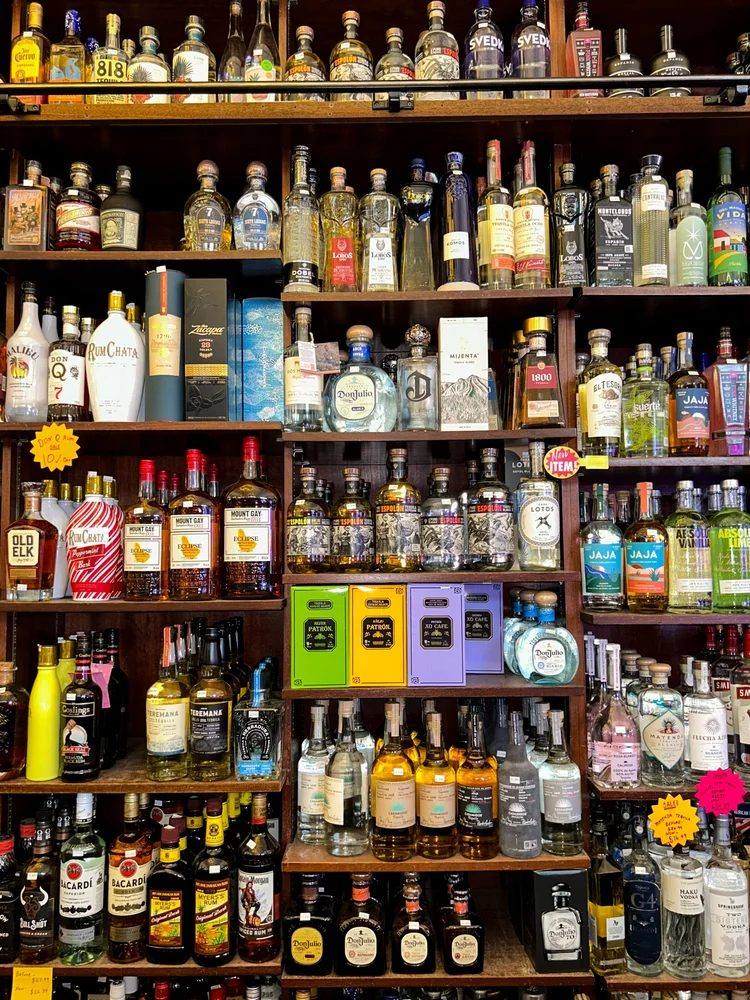
The pain is concentrated at the top of the shelf. Ultra-premium tequila volumes rose 7 percent in the US in 2025, which sounds healthy until you read the next line: super-premium volumes fell 6 percent, and the forecast for the whole category is a decline of around 5 percent by 2030. The launch pipeline has thinned as drinkers report fatigue with yet another high-priced bottle. The industry's own shorthand for this is premium fatigue, and it is hitting the celebrity shelves hardest because the celebrity shelves are where the premium launches clustered.
What the winners did differently
Consider Teremana, the brand Dwayne Johnson launched in March 2020, which passed one million nine-liter cases a year by 2023 and is now expanding into more than 20 additional markets across Europe, Africa, and Asia. The famous part of the story is the founder. The structural part is the distilling: the brand is made in Jalisco with the Lopez family, third-generation agave growers and second-generation distillers. When the category tightened, Teremana had an actual production story behind the name on the bottle. That is the difference between a brand and a label deal.
The market is now ranking those things explicitly. Casamigos, the brand that started the celebrity gold rush, is in retreat on its own owner's numbers: Diageo reported Casamigos volumes down 16 percent in fiscal 2025 and a further 27.7 percent decline in net sales in fiscal 2026. Fame gets a brand launched. It does not, by itself, get it reordered.
The squeeze in the middle
The on-trade data tells the same story from a different angle. Tequila was the only spirits category still growing in US bars and restaurants through March 2025, but by the twelve months to June 2026 it had stabilized at just 1 percent growth, according to WSWA's SipSource figures. The category is not shrinking. It is normalizing, and normalization punishes the brands with the highest cost structures and the thinnest stories. High-end product launches have slowed as drinkers report fatigue with premium-plus pricing, and the brands still launching into that tier are finding a more skeptical audience than the one that greeted them five years ago.
The sorting
This is not a story about celebrities ruining tequila. Some of the most capable distillers in Jalisco work on famous-name brands, and the celebrity wave funded genuine investment in production capacity. It is a story about what happens when a category matures: the marketing stops being the product. The same drinkers who bought a bottle because of a name now ask what is behind it, and the answer has to be more than a name.
The reckoning, then, is not moral but commercial. The brands that will matter in 2030 are the ones built on distilleries, agave contracts, and people who know how to run a still: the things that survive when the novelty wears off. The rest become cautionary entries in the history of the boom. Tequila is going to be fine. The question is which names get to come with it.
From the same shelf