AGAVE
Diageo Wins the Agave Lawsuit as Its Tequila Sales Slide
A federal judge dismissed the “100% agave” class action against Casamigos and Don Julio. In the same season, both brands posted their worst US sales declines on record.
It was quite a week for the world's largest tequila seller. In a Brooklyn courtroom, Diageo persuaded a federal judge to throw out a proposed class action accusing it of falsely labeling Casamigos and Don Julio as “100% agave.” In the marketplace, the same two brands were posting the steepest US sales declines in their histories. Victory in court; defeat on the shelf. Tequila's strangest week in years deserves a careful reading, because the two stories are more connected than they look.
The lawsuit first. US District Judge LaShann DeArcy Hall dismissed the case, Avi Pusateri et al v. Diageo North America, ruling that the plaintiffs, a group of individual tequila buyers and restaurants, had failed to show how they had been harmed. Their claim was that they paid premium prices for tequila marketed as entirely agave-derived, and would have bought otherwise had they known the labels were false.
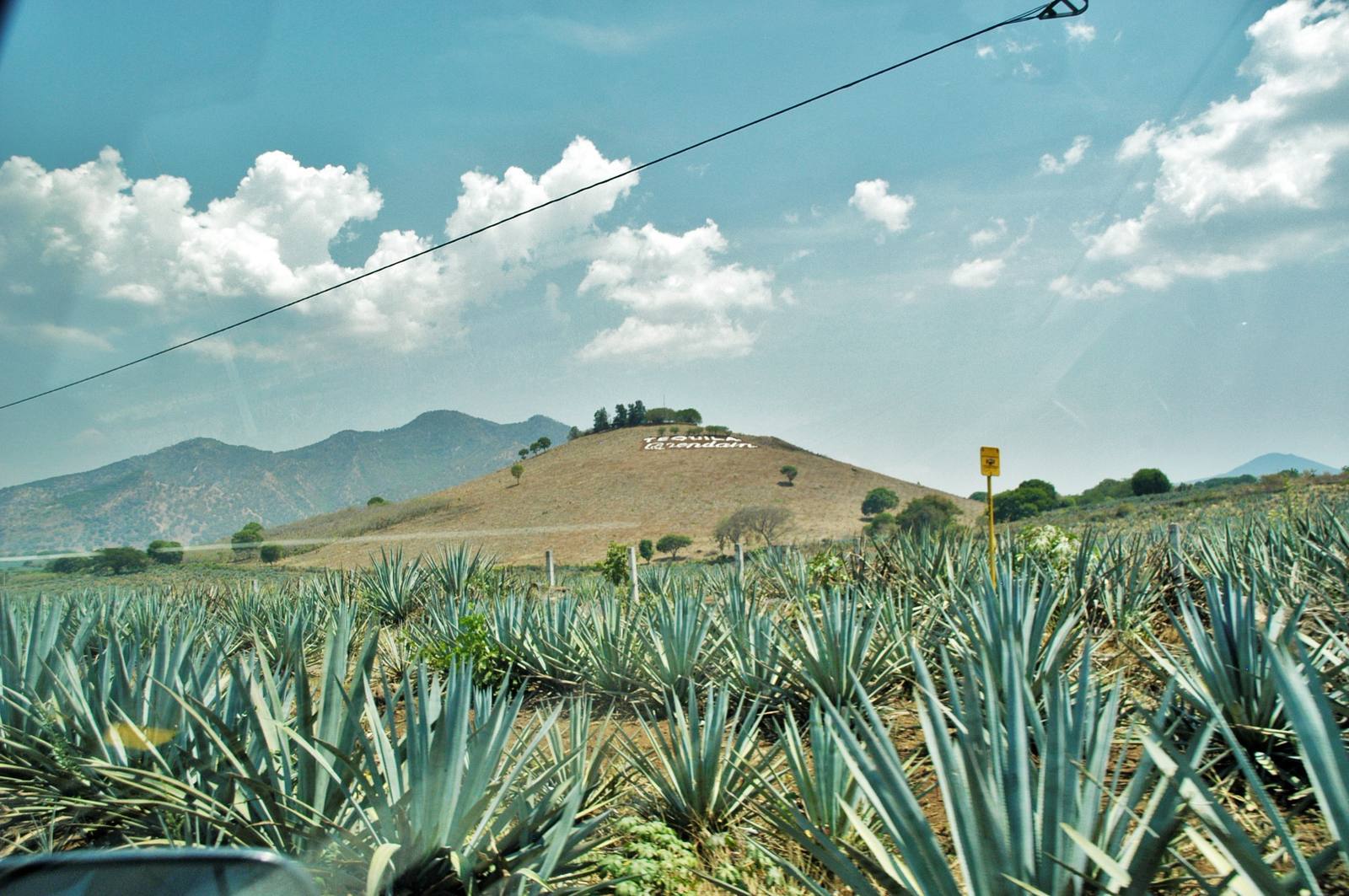
The judge's reasoning was narrow, and the narrowness matters. Judge Hall faulted the scope of the plaintiffs' evidence, writing that “the court struggles to find how it could find that a study that looks at five samples would allow a court to reasonably infer that a defendant was engaging in ubiquitous, systemic mislabeling.” That is not a finding that the tequila is pure. It is a finding that five tested bottles cannot prove a company-wide fraud. A Diageo spokesperson said the company was “gratified that the court rejected plaintiffs' adulteration allegations in their entirety.”
The plaintiffs are not conceding. Steve Berman of Hagens Berman, their lawyer, said the ruling “gets the record wrong” and that they may ask the court to reconsider. “Consumers pay a premium for tequila labeled '100% agave,' and they deserve to get what they pay for,” the plaintiffs said in a statement, adding that “independent laboratory testing of Diageo tequilas found none came close to being made entirely from 100% agave.” Several related lawsuits had been paused in the same Brooklyn court while awaiting this decision; their fate now hangs on what happens next.
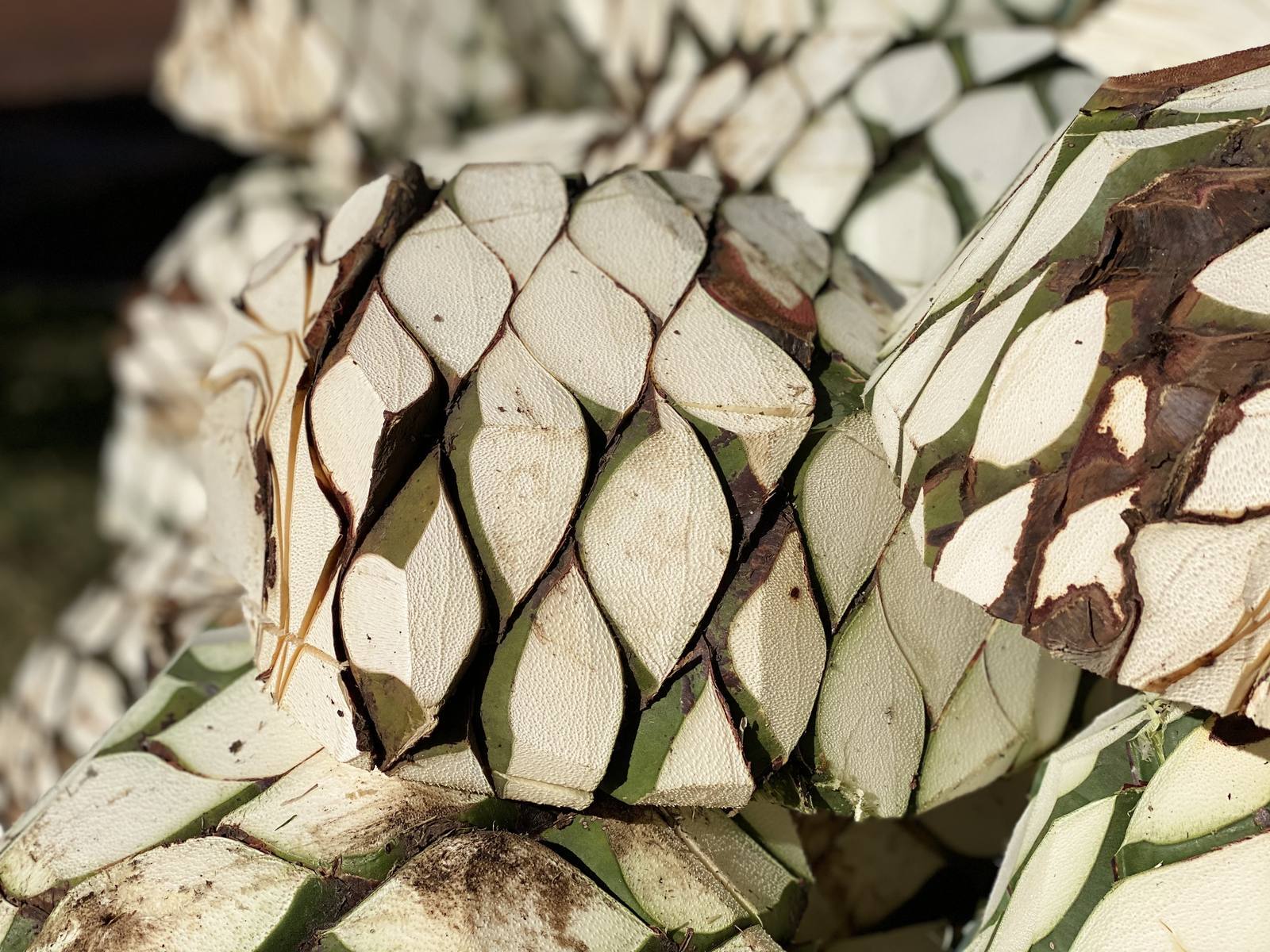
Now the sales. Diageo's fiscal-year results, reported in August, showed Don Julio net sales down 19 percent in the United States on depletions down 10 percent, and Casamigos down 28 percent on depletions down 23 percent. Company-wide tequila sales fell 21 percent for the year. The gap between net sales and depletions tells its own story: shipments ran well behind what drinkers actually bought, as distributors worked through stock built up during the boom. But Diageo also acknowledged that Don Julio lost market share outright. This is not only an inventory story. It is a demand story too.
The response is already underway. Diageo is rolling out price reductions on Casamigos alongside a refreshed marketing campaign, an explicit repositioning of a brand that was built on premium pricing and celebrity velocity. When a premium brand cuts price, it is conceding that the old equation, fame plus scarcity equals growth, has stopped working. The agave boom trained a generation of drinkers to pay more; the bust is training them to ask why.
Put the two stories together and a pattern emerges. The lawsuit alleged that the premium was built on a falsehood. The sales figures suggest the premium was becoming unsustainable regardless. Whether or not a single bottle contains exactly what its label claims, the market has rendered its own verdict on what “100% agave” prestige is worth in 2026: less than it was. The courtroom decided an evidentiary question. The shelf is deciding a commercial one, and the shelf does not grant reconsideration.
The inventory overhang
One detail from Diageo's results deserves emphasis, because it explains why the sales numbers look worse than the drinking. Across its US spirits business, shipments ran about two and a half percentage points behind depletions as distributors scaled back orders, working through stock accumulated during the boom years. Depletions, the industry's measure of what actually leaves the distributor for the retailer, fell less steeply than net sales for both tequila brands. That is cold comfort, but it is a real distinction: some of the collapse is the pipeline draining, not the drinker leaving.
Some of it, though, is the drinker leaving, or at least arriving with sharper questions. Diageo's own chief executive has said the US spirits market, the largest in the world, was down 5 percent over the last twelve months and could take two years to return to flat. Tequila grew faster than any major spirits category for half a decade; it is now giving back those gains faster too. The brands that rode celebrity and velocity on the way up, Casamigos most visibly, face the hardest repricing on the way down. A price cut plus a marketing refresh is the standard playbook. Whether it restores the premium or merely reprices it downward will be one of the defining commercial stories of the next two years in spirits.
From the same shelf